Triethylene Glycol: A Deep Dive into its Role and Importance
Historical Roots and Product Overview
The story of triethylene glycol traces back to the early advancements of the chemical industry. As chemists began exploring how to modify ethylene oxide, they stumbled onto a group of glycols with repeating ethylene units, and among them, triethylene glycol stood out. Its commercial production scaled up around the Second World War, mainly riding on the surge of demand for reliable dehydration agents and stable solvents. Manufacturers soon realized the substance’s unmatched ability to control moisture in many settings. Today, factories rely on triethylene glycol not out of habit, but because of its performance. You’ll find it in large drums, usually a clear, viscous liquid, labeled with synonyms like triglycol or simply TEG.
Physical and Chemical Properties
One of the things that jumps out about triethylene glycol is its high boiling point—over 285°C—giving it stability under heat that many glycols can’t match. With a molecular weight near 150 g/mol, it sits in the middle ground, neither too heavy to pour or pump, nor so light that it evaporates on you. It absorbs water from the air like a sponge, due to its two terminal hydroxyl groups. This ability plays a heavy role in the gas treatment industry. The liquid’s viscosity climbs as temperatures drop, but its solubility in water stays steady at room temperature. Chemically, triethylene glycol stands up to acids and bases fairly well, but strong oxidizers and reactive metals should stay outside its storage zones.
Technical Specifications and Labeling
Factories and laboratories track quality with benchmarks like purity percentage, water content, and trace contaminants. Labels usually point out a minimum purity of 99%, often certified using gas chromatography, along with a water content far below 1%. Color standards, measured by the APHA scale, keep supply consistent from drum to drum. The safety data sheet reminds users about skin and eye exposure risks, urging storage in tight, corrosion-resistant drums. Labeling also highlights its flammability—although not high risk at room temperature, warehouses take precautions to avoid ignition sources as a matter of routine.
Preparation Method
Large-scale production typically starts with the hydration of ethylene oxide, producing monoethylene glycol and diethylene glycol as earlier by-products. Company labs tweak catalyst types and process temperatures, shifting the product mix toward triethylene glycol. Continuous distillation refines the crude material into high-purity product. Every step, from raw ethylene oxide feed to finished glycol, demands engineering attention to safety because of the volatile qualities of the starting feedstock. Industry giants learned through trial and error to monitor reaction times and use stainless steel or lined vessels to prevent unwanted side reactions.
Chemical Reactions and Modifications
Triethylene glycol welcomes chemical modifications with open arms. Its two hydroxyl groups react with acids to form esters, or with isocyanates in the making of certain polyurethanes. It can serve as an intermediate for surfactants or lubricants through etherification. In my experience working with formulations, what makes TEG so useful is this flexibility: you can build off either end of the molecule, leading to new solvents or specialized fluid additives. In the right hands, it becomes the backbone for many chemical syntheses, largely because it holds up under stress without breaking apart.
Other Names and Synonyms
Purchasing managers sometimes pull their hair out trying to chase the same compound under different names. Triethylene glycol pops up in catalogs as “TEG,” “triglycol,” “2,2'-oxybis(ethoxy)ethanol,” or “triethylene diglycol.” Invoices might spell out “triglycol alcohol,” especially in older warehousing records. This tangle of product names often leads to confusion, so seasoned team members double-check CAS numbers to avoid shipping errors.
Safety and Operational Standards
Anyone handling triethylene glycol in bulk knows not to take shortcuts. Workers need gloves and goggles; splashes cause irritation and, for some people, prolonged contact can lead to skin dryness. Spilled TEG doesn’t explode like gasoline, but in hot conditions, it can give off irritating vapors. Plant protocols require eye wash stations and strong ventilation—lessons hammered home after minor incidents in older factories. Storage tanks stay away from direct sunlight and moisture, and secondary containment systems keep leaks from running into drains. Transport regulations, especially for export, demand sealed, clearly labeled containers and close management of shipping conditions.
Industrial and Everyday Uses
Natural gas processing plants count on triethylene glycol for dehydration, pulling water from pipelines to prevent blockages and corrosion. In air sanitizers, it acts as an antimicrobial vapor, cutting down bacteria and fungi. Engineers value TEG as a plasticizer in polymers or as a solvent for oils, dyes, and resins. Laboratories use it to develop chromatography columns or specialty lubricants. I’ve even seen it in humble dehumidifiers and fog machines for stage effects. Its low odor and chemical stability let it blend nicely in many roles that demand strength and reliability across temperature swings.
Research, Development, and Ongoing Studies
Academic and corporate researchers pursue new applications for triethylene glycol using both lab studies and field tests. Recent work explores its use as a base fluid for advanced heat exchange equipment, banking on its high boiling point. Other teams look at TEG for eco-friendly solvent systems, especially as companies phase out petrochemical-based products. Some studies dig into its breakdown products during incineration—a crucial factor for environmental safety. Chemical engineers run computer simulations to predict how it reacts under different refinery conditions, aiming to reduce energy usage and minimize byproduct formation.
Toxicity and Human Safety Research
Medical and environmental research gives a clearer window on health concerns. Acute toxicity remains low, as most animal studies show mild effects at standard industrial exposure levels. Chronic inhalation or ingestion studies continue, but so far, the numbers suggest limited risk in controlled workspaces. The biggest threats come from spills or misuse, since it can irritate mucous membranes and the respiratory system if vapor builds up. Long-term monitoring and hazard communication plans have helped reduce workplace incidents in chemical plants that use the compound daily.
Looking Ahead: Future Prospects
Sustainability initiatives push chemical companies to revisit old favorites like triethylene glycol. Advances in catalyst development could drive greener, more energy-efficient production. Researchers push for biodegradable derivatives that offer similar performance but break down safely after use—a big win for waste management. The push toward digitized process management in chemical plants also promises tighter quality control and fewer resource losses. As regulations get stricter and environmental standards climb, TEG’s core strengths—versatility, reliability, and chemical resilience—keep it in the spotlight for new industrial and consumer applications.
What Makes Triethylene Glycol Stand Out?
Triethylene glycol, or TEG, has a lot more going for it than many folks realize. Most people never see pure TEG in their daily lives, yet it’s often working quietly in the background. The first place I saw TEG at work was touring a chemical plant, years ago. I noticed that while no one talked about it, engineers always checked the glycol systems. That stuck with me ever since.
Keeping Natural Gas Dry
Most of the world’s TEG gets used by the natural gas industry. The point here is simple: water vapor and gas pipelines do not mix. Water leads to corrosion, ice, and safety concerns. So, engineers use TEG to pull out water vapor before gas flows downstream. The process is called “dehydration.” Gas bubbles through warm TEG, and the glycol absorbs the water. Afterward, the TEG gets heated and reused, running in cycles for months at a time. This proven method keeps natural gas moving safely to homes and factories across the world.
Air Sanitization and HVAC Applications
I’ve walked into hospitals and smelled that sharp, clean scent in the air. Often, it comes from TEG. For decades, TEG has worked as an air disinfectant. HVAC systems use a fine mist of TEG to kill bacteria, mold spores, and some viruses. With airborne illnesses causing concerns, using TEG in ventilation helps limit transmission indoors. A CDC report published years ago showed that glycol-based air cleaners reduce certain germs in crowded spaces. Hospitals and large office buildings often rely on this chemical barrier to improve air hygiene.
Plasticizers for a Flexible World
Some of the soft plastics you touch every day prove the value of glycol chemistry. Vinyl coatings, flexible hoses, and certain packaging all feel a little softer because TEG acts as a plasticizer. Chemists mix TEG with polymers to produce products that bend and move instead of cracking. Car seats, shower curtains, and insulated wiring can all owe some flexibility to this often-overlooked fluid.
Specialty Solvent and Intermediate Ingredient
TEG also pulls its weight in manufacturing. Factories use it as a solvent in adhesives and inks, where it helps dissolve pigments and hold everything together during processing. Time and again, TEG supports workers producing paints, leather finishes, hydraulic fluids, and brake fluids. It pops up in shoe factories, book binderies, and even in printers’ shops.
Concerns and Smarter Solutions
People sometimes worry about chemicals used around food, water, or air. Experts recognize that TEG generally poses low toxicity at the levels used in public applications. Tough government limits control its use in consumer products and around living spaces. Every system gets routine inspections, and safety paperwork always sits near the TEG drum in any plant I’ve visited. Still, as the world continues to push for less waste and pollution, researchers look for ways to reclaim, recycle, and even replace TEG in certain uses. Green chemistry and tighter recycling loops may shape the next chapter for this unsung workhorse.
Finding Value Through Experience
It’s easy to overlook the materials that rarely grab headlines. Decades of industrial and academic experience remind us that even essential chemicals like TEG need mindful handling. If you work in energy, health, or plastics, taking a closer look at the full chemical cycle pays off. Safety, efficiency, and environmental impact all matter. By understanding the real benefits and risks, we keep improvements practical and responsible—qualities that count in any workspace.
Touching and Using Triethylene Glycol
Triethylene glycol (TEG) shows up in a surprising number of products around the house and in the workplace. Folks run into it in air sanitizer systems, dehumidifiers, even as a solvent in some cleaning supplies. It doesn’t have the sharp smell of some chemicals, so people might not give much thought to whether it’s safe when they come into contact with it.
Through regular touch, TEG doesn’t make skin burn or itch like harsher chemicals. Research across numerous occupational health studies supports this. Workers using TEG day-to-day don’t report rashes or skin toxicity unless handling gallons of the stuff without gloves. For everyday use, though, washing up after contact and skipping open wounds for chemical handling covers most risk. The Centers for Disease Control and Prevention points out that short bouts of contact rarely cause trouble, though repeated or extended skin exposure—especially in industrial settings—could dry out skin or cause mild irritation for some folks.
Inhaling Triethylene Glycol: What Happens Inside the Body
Air treatment systems sometimes use TEG to kill bacteria and viruses. It drifts in vapor form, so the topic of breathing it in comes up. Researchers at the National Institute for Occupational Safety and Health (NIOSH) spent time looking at how TEG behaves once airborne. Most studies on animals and people show that trace levels used for air cleaning don’t build up in the lungs or blood. Small doses pass out of the body through urine.
In large amounts, TEG vapor causes nose and throat irritation. Anyone who’s ever worked next to a machine that leaks vapor probably remembers a scratchy feeling after a few hours. That’s your body warning you to get fresh air. Studies suggest TEG concentration at common workplace levels (about 5 to 10 mg/m³) stays well below the point of serious symptoms. If levels go higher, even healthy people might get watery eyes and discomfort, especially without decent ventilation.
In rare accidents inside factories, workers breathing a heavy cloud of TEG for hours on end have ended up with headaches and dizziness. Medical teams treated these symptoms quickly and folks recovered fully. No cases of cancer or chronic lung disease from inhaling TEG have turned up among workers handling this chemical over decades.
Looking at Real Risk and Guarding Against It
I worked as a facility manager for several years before stepping into writing, and handling TEG came with rules and a set routine. We wore gloves, goggles, and kept bottles closed up tight. Keeping fans running made a big difference. Simple steps can keep exposure to a minimum. That matches guidelines from the American Conference of Governmental Industrial Hygienists, who list safe limits for exposure and stress the value of well-maintained ventilation and basic personal protective equipment (PPE).
Product makers and cleaning companies now label containers more clearly and offer clear training for staff. They make controls and spill kits easy to reach. In public spaces where TEG air sanitizers run, there’s usually a technician nearby who measures air levels and adjusts machines.
Some folks facing asthma, allergies, or chemical sensitivity should probably steer clear of TEG vapor rooms. Doctors steer these groups toward well-ventilated areas, or recommend limiting exposure time since they can react more strongly than healthy adults.
Paths Forward for Better Safety
Better labeling, clear public information, and regular air quality checks in spaces using TEG bring real benefits. Workers and custodians learn more about safe techniques. Ordinary people can spot the chemical on package labels at home. Regulators like OSHA keep their eyes on new research, and workplace safety evolves as new data rolls in. The approach isn’t perfect yet, but putting more focus on education and routine medical checkups helps catch problems before folks get sick. Responsible use and honest conversation about limits remain the most reliable tools for keeping everyone healthy.
A Matter of Chemistry—and Safety
Look on the label of common products like dehumidifiers, paints, cleaning solutions, or even fog machines, and names like triethylene glycol and diethylene glycol often pop up. Both sound technical, like something only a chemist would care about. But the differences between these two chemicals carry real stakes for anyone who cares about health, safety, or the quality of what goes into their home or workplace.
Two Glycols, Two Stories
Triethylene glycol, or TEG, has helped control moisture indoors for decades. You'll also find it inside air sanitizers and in processes where folks need to dry out natural gas. The compound absorbs water from the air, soaking up the dampness that can invite mold or allergens. It has a clear track record: inhaling small amounts won’t make someone sick, skin contact barely registers as a risk, and its chances of causing chronic health problems remain low. Regulatory agencies, including the FDA in the United States, allow TEG to touch food indirectly or pop up in air as a mist during theatrical performances. The data tells the same story—most people go about their lives with TEG in the air and never notice it.
Diethylene glycol, or DEG, is cheaper to make, so it occasionally ends up in coolants, brake fluids, or industrial solvents. Unlike TEG, DEG carries a history marked by tragedy. Back in the 1930s, DEG showed up in cough syrup, leading to scores of deaths and a wave of new drug safety laws. The reason: DEG tricks the body. It’s sweet, which led some to add it (sometimes by accident, sometimes cutting corners) into syrups and toothpaste. The kidneys and liver struggle to break it down, causing toxic build-up with just a few swallows. Over the past two decades, authorities in dozens of countries have tracked down counterfeit products, sometimes with lethal results. These incidents remind us to respect the line between industrial and consumer-safe chemicals.
Why Different Uses Matter
Anyone who works with products containing these chemicals ought to know the distinction. TEG gets the nod where exposure is likely—think home humidifiers or cosmetics since the body can process small amounts without trouble. No one wants a health risk lurking in the air or on skin, especially in playgrounds, offices, or hospitals. On the other hand, DEG fits best in settings where there’s little chance it’ll come near food or be inhaled, like inside closed radiator systems or some plastics manufacturing. Mixing these up can cause public health nightmares or force costly recalls—no one wants to relive the mistakes of the past.
Supporting Public Safety
Government watchdogs, labs, and responsible companies commit resources to test imports for DEG contamination. The FDA runs targeted screenings because the consequences reach far beyond laboratory walls; they’re about trust in what people eat, drink, and put on their kids’ skin. Years in quality assurance taught me that double-checking sources and documenting every batch isn’t just due diligence—it’s real protection for real people.
Steps Toward Safer Choices
Product makers have a duty to clearly label what’s inside and to choose the right compound for the right purpose. Factories can adopt stricter supply chain checks, verifying glycol shipments by batch. Regulators should push for fast, affordable testing at borders and inside factories, especially in high-risk regions. Consumers can help, too. Ask questions—read labels where possible, especially with cheap imports. A little scrutiny can push companies and governments to take safety more seriously, and shift market demand in the right direction.
What Every Facility Manager Should Know
Triethylene glycol shows up everywhere you find industrial cleaners or gas dehydration units. It’s clear, odorless, and versatile. But left alone in the wrong conditions, this liquid can make a mess of both safety and compliance. I learned pretty quickly that sloppy handling cuts into both budgets and trust. Responsible storage protects the people on site, keeps equipment running, and meets basic regulatory expectations.
Why Security Starts With the Right Environment
No one enjoys surprise spills or the lingering hassle that follows. Triethylene glycol breaks down with heat and humidity, so I always check that our containers stay somewhere cool and dry. Metal drums or HDPE containers do the trick, just keep them fastened tight. Moisture encourages contamination, and oxygen creeping in means the risk of unwanted reactions goes up. Forgetting to secure a lid may seem harmless at the end of a long shift, but the cost shows up down the line—in cleanup, wasted material, or replacement parts.
Take Chemical Labels Seriously
Proper labeling seems obvious but gets overlooked in busy shops. I’ve seen unlabeled jugs tossed into general storage and watched workers grab the wrong drum, none the wiser. By sticking a clear hazard label on every container, along with the date it was filled, folks down the line can make smart decisions. It makes audits faster and keeps everyone on the same page, especially if Glycol moves between sites or teams. OSHA, for good reason, expects this level of clarity in any serious workplace.
Ventilation and Avoiding Inhalation Risks
Open up a container in a tight room, and you’ll notice headache or throat irritation for a reason. Triethylene glycol vapor needs space to dissipate. I advise keeping the handling areas well-ventilated—crack the windows or, if possible, use spot exhaust systems over storage zones. As someone who’s ended a shift with a sore throat after moving drums in a closed storeroom, that lesson sticks. Workers deserve regular air checks and protective gear to cut down inhalation risks.
Handling and Cleanup—Protect Yourself and Your Team
No shortcut beats personal protective equipment. I always recommend gloves, safety goggles, and long sleeves during transfers or mixing. Skin irritation or eye contact happens fast—just one splash can turn a routine refill into a trip to the wash station. If a spill lands on the floor, absorbent pads or inert sand remove most of it before a thorough soap and water cleanup. Used rags and pads go straight into approved disposal bags or hazardous waste bins to avoid unintended reactions or fire hazards later.
Spill Response and Training: Don’t Wait for an Emergency
Fire drills and chemical response sessions shouldn’t be annual box-tickers. I’ve found that regular practice—who grabs the spill kit, who blocks the drains, who calls the supervisor—keeps teams sharp. It’s worth posting emergency contact info and procedures prominently wherever glycol is stored. Training turns nervous newbies into confident responders and keeps injuries out of the news.
The Big Picture: Healthy Habits Build Healthy Workplaces
Triethylene glycol helps industries run smoothly, but careless storage or rushed handling erodes worker confidence and damages reputations. Safe practices stick when they’re not just rules but habits passed down shift after shift. Clear labels, dry rooms, vented spaces, and a well-drilled crew set everyone up for success—from the line worker to the manager overseeing it all.
Why Triethylene Glycol Matters
Triethylene glycol, better known in some cleaning and industrial circles for its role as a solvent and humectant, shows up in products ranging from air disinfectants to certain kinds of antifreeze. Anyone who regularly works in buildings, labs, or factories will probably bump into it at some point, and maybe even at home if they use room deodorizers or cleaning sprays. Its very presence in daily products means it's worth taking a closer look at what it can do to the body, especially if folks are handling larger amounts or spending lots of time in treated spaces.
Impact on the Body: What the Science Says
Short-term exposure to triethylene glycol by breathing in the vapors tends to irritate the eyes, nose, and throat. I remember working in a warehouse where cleaning products with glycol-based compounds left a sharp tingle at the back of my throat after a couple hours—far from ideal for anyone with allergies or asthma. Scientific reviews, including those from the U.S. National Library of Medicine, note these risks. High concentrations amplify this, pushing some individuals toward headaches, dizziness, and mild nausea.
Skin contact can also cause problems, especially for those with sensitive or broken skin. Prolonged or repeated exposure sometimes sets off red patches or a burning feeling. Occupational settings, where workers handle bulk materials, carry the biggest risk. Gloves and sensible handling habits help, but accidents happen. The Occupational Safety and Health Administration set exposure limits because of these effects. No one wants to develop dermatitis because a splash went unnoticed.
Swallowing triethylene glycol accidentally is less common, but possible—kids can get into anything at home, after all. Most sources, including the Centers for Disease Control and Prevention, point out that it can upset the stomach, causing vomiting and diarrhea. In very high amounts (well beyond what’s found in air-freshening sprays), scientists have linked ingestion in animal studies with kidney and liver strain.
Looking at Long-Term Risks
Research on chronic, low-level exposure provides fewer clear answers. No strong evidence yet ties triethylene glycol to cancer in humans, but animal research points to possible risks with prolonged, heavy use. Many chemists I worked with prefer not to take chances—they push for careful storage, well-ventilated rooms, and use of safer alternatives when reasonable.
Asthmatics and people with underlying respiratory issues might notice their symptoms flaring up more frequently in environments with persistent glycol mist or vapor. Over time, ongoing irritation isn’t just bothersome—it can lower quality of life and push up healthcare costs.
How to Stay Safe
Practical solutions go a long way. At home, choose products wisely and use them with plenty of fresh air. At work, request clear labeling and up-to-date material safety data sheets. Anyone who manages janitorial, industrial, or laboratory spaces has a responsibility to train staff properly, keep good ventilation, and encourage gloves, eye protection, and the quick clean-up of spills.
Manufacturers could look closer at alternatives with lower toxicity. Regulatory agencies track exposure and update safety standards. These steps might seem simple, but they save headaches—sometimes literally. People armed with information make smarter choices, and that can keep everyone just a little safer each day.
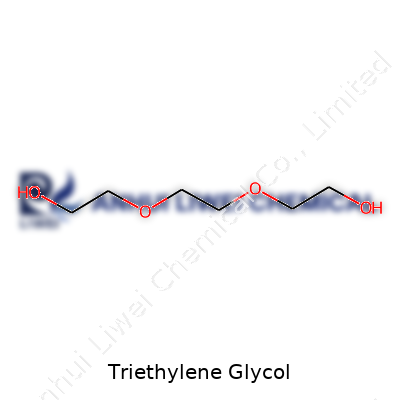
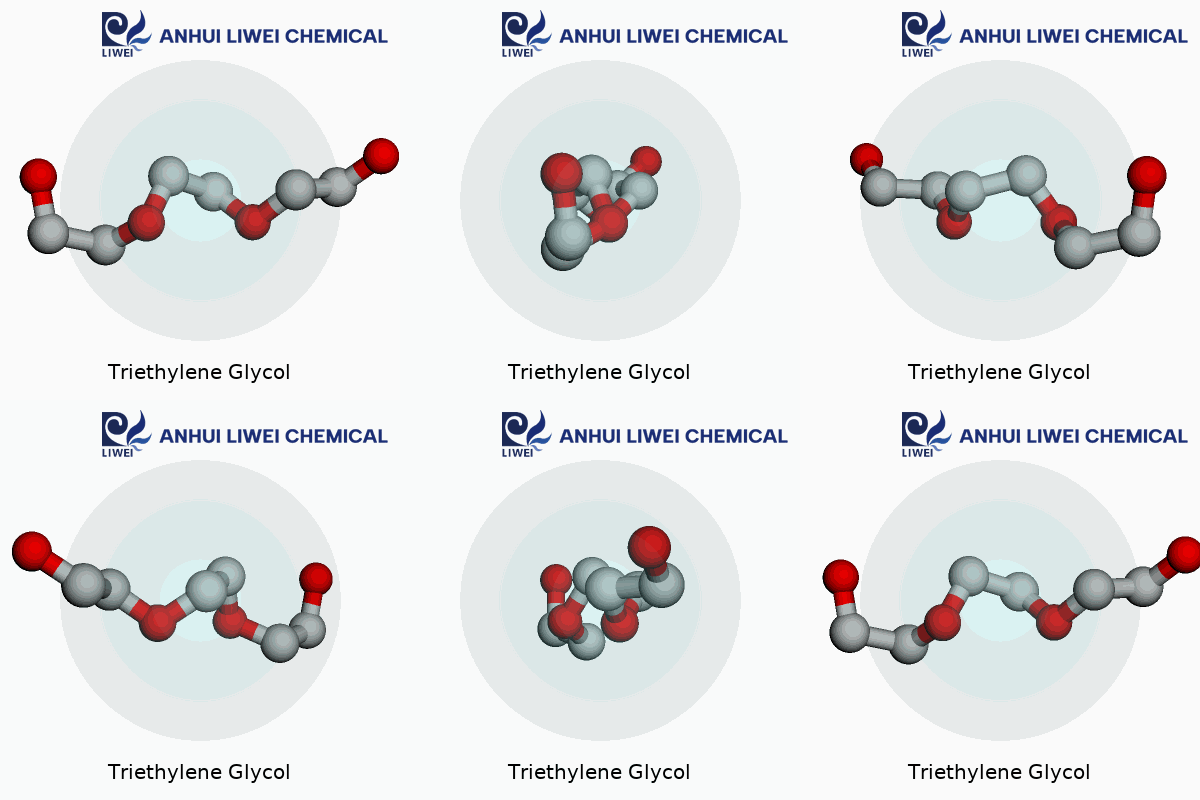
| Names | |
| Preferred IUPAC name | 2,2'-(ethane-1,2-diylbis(oxy))diethanol |
| Pronunciation | /traɪˈɛθ.ə.liːn ˈɡlaɪ.kɒl/ |
| Identifiers | |
| CAS Number | 112-27-6 |
| 3D model (JSmol) | OCCOCCOCCO |
| Beilstein Reference | 969357 |
| ChEBI | CHEBI:44955 |
| ChEMBL | CHEMBL1234077 |
| ChemSpider | 138359 |
| DrugBank | DB02378 |
| ECHA InfoCard | 100.003.594 |
| EC Number | 203-953-2 |
| KEGG | C06741 |
| MeSH | Triethylene Glycol |
| PubChem CID | 8172 |
| RTECS number | YE4550000 |
| UNII | 3XJL9Z9X6Q |
| Properties | |
| Chemical formula | C6H14O4 |
| Molar mass | 150.17 g/mol |
| Appearance | Colorless, viscous liquid |
| Odor | odorless |
| Density | 1.125 |
| Solubility in water | Miscible |
| log P | -1.75 |
| Vapor pressure | 0.001 mmHg at 20°C |
| Acidity (pKa) | 14.5 |
| Basicity (pKb) | -0.77 |
| Magnetic susceptibility (χ) | -85.7e-6 cm^3/mol |
| Refractive index (nD) | 1.4551 |
| Viscosity | 49 mPa·s at 25°C |
| Dipole moment | 3.43 D |
| Thermochemistry | |
| Std molar entropy (S⦵298) | 322.6 J/mol·K |
| Std enthalpy of formation (ΔfH⦵298) | ΔfH⦵298 = -803.8 kJ/mol |
| Std enthalpy of combustion (ΔcH⦵298) | -3555.5 kJ/mol |
| Pharmacology | |
| ATC code | D08AX09 |
| Hazards | |
| GHS labelling | No GHS hazard labelling required (not classified as hazardous; no pictogram, signal word, or hazard statements). |
| Pictograms | GHS07 (Exclamation mark) |
| Signal word | Warning |
| Hazard statements | No hazard statements. |
| Precautionary statements | P264-P270-P280-P301+P312-P302+P352-P305+P351+P338-P312-P330-P332+P313-P337+P313-P362+P364-P501 |
| NFPA 704 (fire diamond) | 1-1-0 |
| Flash point | 165 °C |
| Autoignition temperature | 371°C |
| Explosive limits | 0.9 - 9.2 %(V) |
| Lethal dose or concentration | LD50 (oral, rat): 17,000 mg/kg |
| LD50 (median dose) | 17,000 mg/kg (oral, rat) |
| NIOSH | NIOSH: No specific exposure limit established. |
| PEL (Permissible) | Not established |
| REL (Recommended) | 10 mg/m3 TWA |
| IDLH (Immediate danger) | No data |
| Related compounds | |
| Related compounds |
Ethylene glycol
Diethylene glycol Tetraethylene glycol Polyethylene glycol Monoethylene glycol Dipropylene glycol Tripropylene glycol |


