Propylene Glycol: Breaking Down a Modern Essential
Historical Development
Humans started using propylene glycol long before anyone stopped to debate if they should. In the 1920s, chemists were searching for an antifreeze that wouldn't carry the risks associated with ethylene glycol. Old newspaper clippings prove that propylene glycol quickly found a home in many industries, especially after World War II. By the 1940s, the Dow Chemical Company ramped up production, and the compound marched right into food, cosmetics, pharmaceuticals, and industrial fluids. Throughout the decades, regulatory agencies established safety profiles and quality standards, leading to different grades for various uses. Propylene glycol carries a legacy intertwined with both the rise of large-scale manufacturing and increased scrutiny over product safety and purity.
Product Overview
Staring at a clear, nearly odorless liquid, you'd never guess it keeps food moist, pharmaceuticals stable, and engines from freezing. Propylene glycol plants dot North America, Europe, and China, pumping out millions of tons a year. Major suppliers differentiate between industrial, technical, and USP (pharmaceutical/food) grades, according to how pure the propylene glycol gets refined. Most bottles on the grocery shelf claim “PG,” but the cosmetics or automotive aisle usually features the same molecule—just tailored with different purity standards. Product demand remains high, driven by its reliability and versatility in both edible and non-edible applications.
Physical & Chemical Properties
Propylene glycol looks like water in a bottle but feels a bit syrupy when poured. It boils at 188°C and freezes around -59°C, which explains its popularity in antifreeze. Its molecular formula, C3H8O2, reveals two alcohol groups, so it mixes easily with water, acetone, and chloroform. Measuring around 1.036 grams per cubic centimeter in density, it's slightly heavier than water yet non-volatile. Propylene glycol resists evaporation at room temperature and catches fire only at high temperatures, making it fairly safe in shipping and handling. Its solubility comes in handy for dissolving flavors, colors, and actives in various manufacturing recipes.
Technical Specifications & Labeling
In the United States and Europe, propylene glycol labels often mention “USP” or “EP” grade if meant for food or pharmaceuticals. This signals the product meets standards set by the United States Pharmacopeia or European Pharmacopoeia. Many countries require information on purity (usually above 99.5%), batch numbers, production dates, and safety warnings. Industrial versions receive more relaxed labeling rules, but operators still need key info per OSHA and REACH standards. Recent regulatory trends steer labeling toward delivering clear allergen warnings, recommended storage conditions, and detailed hazard pictograms for bulk shipments—even if the chemical enjoys a reputation for safety.
Preparation Method
Researchers and manufacturers take two main roads to produce propylene glycol. More than half comes from reacting propylene oxide with water, a process running continuously in reactors and yielding a mix of glycol isomers split further using fractional distillation. On the green chemistry front, some companies tap renewable routes, like fermenting glycerin from plant oils. This newer approach saves fossil fuels and cuts greenhouse gas emissions, but most commercial operations stick to established petrochemical methods due to lower costs and reliable yields. As demand for biobased chemicals increases, more facilities are evaluating a switch, especially where carbon footprints matter to clients.
Chemical Reactions & Modifications
Propylene glycol doesn't just sit around waiting to get poured into bottles. In the lab, its two alcohol groups act as a functional landing pad for chemical reactions—including esterification, etherification, and oxidation. Chemists use these reactions to create modified glycol ethers with applications as solvents, surfactants, and emulsifiers. Some production sites tweak the molecule further, coupling it with acids to improve water resistance, or using it as a starter for making polyurethanes found in everyday foams, adhesives, and coatings. Each derivative expands the molecule's role, making propylene glycol one of the workhorses of applied chemistry.
Synonyms & Product Names
Supermarket shoppers can spot propylene glycol listed as PG, 1,2-propanediol, methyl glycol, or propane-1,2-diol. Ingredients panels on food, pharmaceuticals, and e-liquids might list E1520 or INS 1520 per international regulations. In industrial catalogs, the same product hides behind labels like DOWFROST, MPG, or even “propane diol” in technical safety data sheets. This thicket of names often confuses new buyers, but all point to the same basic structure—just marketed for specific industries.
Safety & Operational Standards
Every worker handling propylene glycol gets a heavy-handed lecture about safety, even though most standards call it low-toxicity and non-carcinogenic. The FDA allows its use in food and pharmaceuticals, and the European Food Safety Authority says the same when limits remain in place. Storage tanks need air-tight seals to keep out contaminants, and spills call for absorbents, not hazmat suits. Shipping regulations for bulk material require UN numbers and basic fire safety labeling. Companies document risk management strategies in Safety Data Sheets, and those who work day-to-day with the product emphasize handwashing, ventilation, and eye protection as routine, not extraordinary steps.
Application Area
Walk into any modern kitchen, hospital, or factory and odds are, propylene glycol plays a part behind the scenes. Food makers rely on it to keep baked goods moist and candies shiny while stabilizing flavors and colors. Pharmaceutical labs count on its solubility to dissolve active ingredients and craft syrups, injectables, and ointments. The beauty sector stirs gallons into creams and toothpaste for smooth texture and shelf-life extension. Heating and cooling engineers keep the product close for antifreeze blends in water systems, breweries, and solar heating units. On the vaping scene, e-liquid manufacturers favor PG for its low taste profile and reliable vaporization, backed by plenty of toxicological data compared to newer alternatives.
Research & Development
Universities and corporate labs spend a fair amount of time tinkering with propylene glycol, even though it counts as “established chemistry.” Green chemists focus on pushing biobased routes further, while material scientists hunt for new propylene glycol-based polymers. Research teams test ways to replace problematic additives with safer glycol versions in cutting fluids, de-icers, and flavor carriers. Reviews keep pouring in trying to clarify health effects in sensitive populations and to tighten up analytical fingerprints that separate PG from any chemical cousins that sometimes end up in counterfeit goods. The push to “close the loop” on glycol recycling remains a hot topic, especially in Europe and Japan.
Toxicity Research
Medics and regulators poured through mountains of animal and human studies on propylene glycol, given its widespread use. Most research points to low acute or chronic toxicity, with safety thresholds set well above normal exposure levels in foods and cosmetics. Some people, especially with kidney issues or those exposed to high doses in drug infusions, react with mild skin irritation or metabolic disruption, usually at levels that far exceed what consumers get. Studies on long-term, low-dose exposure offer reassurance but push regulators to watch for cumulative risks in vulnerable populations. Calls continue for monitoring PG metabolism pathways and tracking unintentional contaminants that sometimes hitch a ride from supply chain shortcuts.
Future Prospects
Looking ahead, the world’s appetite for propylene glycol keeps growing, from greener biobased production to stricter purity controls on pharmaceutical ingredients. New markets in electric vehicle cooling, sustainable building insulation, and data center management expect even cleaner, more efficient glycol blends. Regulators lean toward harmonizing standards across borders, which should help keep counterfeiters at bay and hold global suppliers to tougher benchmarks. More consumers look for certified “non-petroleum” options, and research groups keep chasing after ways to recycle every gram. The continued growth of food tech, pharmaceuticals, and green energy practically guarantees that propylene glycol sticks around, always a few steps ahead of new regulations and consumer trends.
Why This Clear Liquid Pops Up Everywhere
Walk into a grocery store, flip over a few packaged foods, and there it is—propylene glycol. Skim healthcare labels, check your deodorant or toothpaste, dig into ice cream, and you’ll find it again. This clear, almost tasteless liquid seems to follow daily life around. It’s not some secret ingredient slipped into products without reason; manufacturers use it because it does the job. Propylene glycol keeps food moist, helps products mix together, and even stops your engine from freezing on a cold winter day.
The Everyday Worker: Food, Drink, and Skin
In the kitchen, propylene glycol serves as a humectant. Basically, it helps foods hold moisture—that’s why shredded cheese stays loose and bagels don’t dry out too quickly. You might spot it in flavored drinks and frostings, making sure color and flavor spread evenly. The FDA recognizes it as safe in small amounts. Some bakers and cooks might feel uneasy about anything with a synthetic-sounding name inside the pantry, but propylene glycol’s safety record in food is strong. Dietitians and food scientists watch for any changes in regulations; nothing raises a red flag, even in the latest reports.
Personal care products rely on propylene glycol, too. It slips into lotions and serums, keeping them from thickening or separating in the bottle—useful if you want to get all the cream out of that fancy tube. I remember one dry winter, trying to survive chapped hands and red cheeks. That moisturizer with propylene glycol blended right in, stopped flakiness, and didn’t leave a greasy mess. Consumers might worry about skin irritation, especially if they already have sensitive skin. Allergists and dermatologists recommend checking ingredient lists if a reaction crops up, but allergic responses stay rare. Most folks never experience anything but soft skin.
Outside The House: Factories and Machines Count On It
Factories and workshops choose propylene glycol for one reason—reliability. It cools machinery and transfers heat without corroding pipes or leaving residue. Many folks top off their car’s radiator with antifreeze made from propylene glycol instead of the older, more toxic ethylene glycol. Anybody with pets knows the risk of spilled antifreeze. Ethylene glycol tastes sweet and harms pets fast, but propylene glycol-based products cut down the danger. Science shows propylene glycol breaks down in the body far more safely.
Concerns, Confidence, and Careful Use
Online, stories pop up about “toxic food additives” or “hidden dangers.” It’s easy to get nervous after reading a headline, but the dose always matters. The U.S. and European agencies set strict limits for propylene glycol in foods and drugs—about 25 mg per kilogram of body weight per day. That’s hard to exceed with regular eating and self-care habits. Researchers keep tracking any long-term effects, testing propylene glycol in the same ways they test other food and cosmetic ingredients. If someone feels unsure, they can look out for propylene glycol in ingredient lists. Plenty of products exist without it.
Looking Ahead: Safer Choices and Open Information
Transparency helps. Clear labeling gives customers control. Food producers and cosmetic makers should share why something like propylene glycol belongs in their product. Both science and practical experience confirm its safety for most people. Staying informed and choosing products by comfort level makes all the difference. Kids and pets deserve protection, machines demand reliability, and nobody wants a stale cupcake or a chunky cream.
Where You’ll Find Propylene Glycol
Propylene glycol shows up in all sorts of products—ice cream, salad dressings, cake mixes, even flavored coffee syrups and soft drinks. Most folks run into it without knowing. Food makers use it for its smooth texture, its ability to keep things moist, and to make flavors blend. You might even spot propylene glycol in items on store shelves such as cosmetics, cough syrups, and toothpaste.
Safety Checks and Real-World Use
Food scientists and regulators have dug into propylene glycol for years. The U.S. Food and Drug Administration placed it in the “generally recognized as safe” category when used as a food additive. The European Food Safety Authority, Health Canada, and other food safety agencies around the world studied it and landed on similar conclusions. In practice, people consume trace amounts in processed foods—usually much less than safety limits set by these regulators.
I looked into the numbers: U.S. rules set a ceiling of 50 grams of propylene glycol per kilo of food. Your average person gets a tiny fraction of that from daily eating habits. Reports of negative reactions in healthy adults are rare, typically linked to very high doses far above what anyone gets from food.
Concerns from Consumers
Not everyone feels comfortable with complicated food ingredients. The word “glycol” can sound alarming, especially if you remember it from antifreeze commercials. Here’s where people ought to know that ethylene glycol and propylene glycol are two different chemicals. Propylene glycol is far less toxic than its chemical cousin. It breaks down quickly in the body, gets flushed out through urine, and doesn’t hang around long enough to build up.
A few people may show sensitivity to the substance, most often if they have allergies or conditions like eczema. They might get hives, mild irritation, or stomach upset. For healthy adults and older kids, problems are rare at typical dietary levels. Babies and folks with kidney or liver issues do need extra caution; they clear chemicals more slowly.
Why Does This Matter?
People deserve to know what lands on their plates and in their bodies. Ingredients like propylene glycol keep packaged foods shelf-stable and easy to use. At the same time, more people want to avoid artificial-sounding additives. They look for cleaner labels and fewer ingredients in what they eat and drink. As a parent, I sometimes look at ingredient lists and wonder about effects down the road.
Everyone—shoppers, cooks, regulators, and companies—benefits from transparency. Clear labeling helps people decide what fits their health goals and comfort levels. Scientific review and regulation make sure the quantities stay within safe zones. That balance helps support public health and consumer trust.
Steps Toward More Confidence
Looking for information from established sources helps. The FDA, Mayo Clinic, and European Food Safety Authority all share easy-to-read summaries on propylene glycol and other additives. If someone reacts to foods with this ingredient, keeping a food journal or checking with a doctor makes sense.
Plenty of brands started listing every ingredient, even if the law didn’t require it, because customers demanded it. Some companies switched to simpler things, like plant-based thickeners, for certain products. More people push for clear answers about what goes into food. This push nudges the whole food industry to act more responsibly.
Informed Choices for Everyday Life
Most evidence shows propylene glycol at common levels is safe for healthy folks. Curious consumers read ingredient labels, ask questions, and stay alert for any personal reactions. The ongoing conversation around food additives highlights how important clear facts and personal choice are in daily nutrition.
Where Propylene Glycol Appears in Daily Life
The average person doesn’t walk through a grocery store thinking about propylene glycol, but this chemical shows up in a surprising range of products. It works as a humectant in many processed foods, keeps cosmetics smooth and stable, and drives the action behind certain medicines. Some folks might recognize it from vaping liquids or skin lotions. Since it's everywhere, how it affects health deserves honest attention.
Direct Effects on the Body
Propylene glycol holds a reputation as “generally recognized as safe” by food authorities for most people. I’ve spoken with pharmacists who trust its use in small doses for things like cough syrup. Despite this, certain people run into trouble. I’ve seen friends with eczema notice rashes after using lotions high in propylene glycol. The U.S. National Library of Medicine points out that skin irritation and contact dermatitis are well-established complaints. Kids with sensitive skin can react at even lower concentrations.
Drinking a can of soda or eating a frozen meal won’t load the body with heavy doses. Folks with allergies or sensitive immune systems may not be so lucky. Laboratory evidence links higher exposure—especially swallowing propylene glycol in larger amounts—to symptoms like nausea and stomach upset. Only rare cases land in the ER with toxic effects, but it happens, usually in children or pets who get into antifreeze or other concentrated products.
Vaping and Inhalation Risks
Vape enthusiasts inhale propylene glycol regularly. Some believe it’s safer than smoking, but the lungs aren’t designed for vaporized chemicals. Research from the American Lung Association mentions airway irritation, dry throats, and coughing, even in healthy users. For folks with asthma or allergies, symptoms spike faster. In my circle, friends with asthma say their inhalers don’t work as well after being around vape smoke high in propylene glycol.
Impacts on Vulnerable Groups
Certain people face bigger risks. Infants and people with kidney disease don’t clear the stuff as fast as a healthy adult, so the buildup can lead to confusion or even coma after intense exposure, like with IV medications in a hospital. Health professionals at large hospitals keep a close eye on it for people at risk, based on guidance from the FDA and medical research. Having worked in elder care, I’ve noticed this ingredient flagged in training along with other hidden risks for fragile patients.
Reducing Exposure and Seeking Alternatives
Concerns about exposure call for practical choices. Checking labels helps. Many products list propylene glycol high up in the ingredients. Folks with sensitive skin turn to hypoallergenic versions or natural brands with shorter ingredient lists. In food, cooking more meals from scratch steers clear of additives. Environmental advocates encourage less reliance on chemical additives in personal care, favoring plant-based alternatives like glycerin, though these may not mimic all the same properties.
Building Better Safety Practices
Inside the manufacturing world, pressure mounts for more research on long-term exposure. Healthcare teams get training on safer use in vulnerable patients. Some companies respond to consumer worries by reformulating without propylene glycol, advertising “free from” claims on prominent packaging. Concerned neighbors, teachers, and parents often talk about pushing for more transparency in labeling for both household and industrial products.
The key to better safety lies in awareness and honest communication. Propylene glycol may work well in many products, but not everyone’s body plays by the same rules.
Common Uses Hide Big Differences
People sometimes mistake propylene glycol for ethylene glycol because both act as antifreeze agents and share a similar syrupy texture. I’ve noticed this confusion even among folks who read safety labels at work or shop for automotive fluids at big-box stores. Both chemicals wind up in things like de-icing solutions and industrial coolants. At a glance, you might not see what sets them apart.
Safety is Not Negotiable
Ethylene glycol brings serious risks. It’s toxic to people and pets, even in small doses. A teaspoon can land a child or animal in the emergency room. No amount is considered safe to ingest. Propylene glycol is a different story. The FDA categorizes it as “generally recognized as safe” (GRAS) for use in food, cosmetics, and pharmaceuticals. Hospitals use medications dissolved in propylene glycol every day, and food factories blend it into icing and salad dressings for moisture.
I grew up in a family with pets. One winter, a neighbor’s dog was poisoned after licking up a puddle of what turned out to be spilled ethylene glycol. It’s sweet-tasting to animals, which adds to the danger. Incidents like this happen far more often than many realize—over 5,000 animals get treated in the U.S. for ethylene glycol poisoning each year.
Making the Right Choice
Propylene glycol doesn’t provide quite the same freezing point depression as ethylene glycol, but many families and businesses choose it purely for its safety margin. It’s the go-to blend for RV and marine antifreeze because of spill worries. Ice rinks and large-scale cooling equipment in the food industry lean toward propylene glycol because an accidental leak won’t create a huge public health problem.
Labels Tell Just Part of the Story
At the hardware store, you’ll see jugs labeled “antifreeze” but sometimes, the finer details hide in small font on the back. Not every customer takes time to check. This can lead to troubles—using the wrong chemical in a food environment, or grabbing ethylene glycol thinking it’s the safer one for a home project. I’ve even heard of mechanics accidentally topping off cars with propylene glycol-based antifreeze that wasn’t compatible with that vehicle’s cooling system. The result can be expensive repairs, but the health risks run deeper.
Seeking Solutions That Work for Everyone
Some states now require antifreeze to contain a bittering agent, discouraging animals and children from tasting it. Adding this simple fix could prevent thousands of poisonings. Clearer product labeling would also help people know exactly what they’re buying—bold, color-coded warnings on containers would make the choice more obvious. Routine education at pet stores or vet clinics, especially during colder months, could spread awareness.
At its core, this isn’t just a technical question about chemical formulas. It affects people’s safety, their pets, and even the products we eat and use every single day. Consumers, business owners, and manufacturers all benefit from sharing accurate information and making safer choices. Staying alert to the differences between propylene glycol and ethylene glycol, even if that means taking an extra minute to read a label, protects health and saves lives.
Understanding Propylene Glycol in Daily Life
Open your pantry or medicine cabinet and there’s a good chance you’ll spot propylene glycol on a label. It’s in processed foods, some medications, cosmetics, and even pet treats. For humans, the FDA puts it in the “generally recognized as safe” category, and it keeps food moist, dissolves flavors, and holds everything together. Yet pet owners often feel uneasy after hearing horror stories about glycol—especially with so much confusion between propylene glycol and its far more toxic cousin, ethylene glycol (found in antifreeze).
Dogs vs. Cats: Two Different Stories
Dogs handle propylene glycol pretty well. It’s often used in semi-moist dog foods and treats as a humectant, keeping snacks chewy. Decades of research found no evidence of direct, acute toxicity in dogs at levels used in food. The US FDA even gives it a green light for use in dog food up to a certain amount. Most vets rarely see problems with dogs who consume food-grade propylene glycol in moderation.
Cats tell a different tale. Their red blood cells react in a way that can cause Heinz body anemia if they ingest propylene glycol regularly. This condition disrupts how red blood cells carry oxygen. I had a shelter cat in my care years ago who developed a rapid decline after eating dog treats loaded with propylene glycol. Bloodwork confirmed what many feline researchers already knew: cats can’t tolerate this additive over the long haul. In 1996, the FDA banned propylene glycol from all cat foods. Anyone with a cat will want to double-check labels, since accidental exposure still happens with treats meant for dogs or homemade snacks.
Beyond Dogs and Cats: Small Mammals, Livestock, and Birds
For rabbits, guinea pigs, and other pocket pets, the science remains thin. There’s no strong evidence supporting its safety either way, which makes me cautious. Farmers sometimes use veterinary-grade propylene glycol to prevent or treat ketosis in dairy cows and goats, but the doses are calculated and given under strict guidance from a vet. In birds, glycol can be dangerous, leading to toxicity with even small amounts.
How Much Is Too Much?
Toxicity always comes down to dose and exposure. Propylene glycol in pet foods gets regulated in commercial products, but homemade treats, imported foods, or mislabeled items can lead to accidental overdoses. Too much can cause tremors, drowsiness, and loss of coordination in both dogs and smaller mammals. In the worst cases, kidney or liver problems might follow with extreme overuse.
The Safer Choice: Reading Labels and Vet Guidance
Pet parents should always read ingredient lists and remember that what’s safe for dogs might harm cats, rabbits, or birds. Consult your vet before giving your pet any new treat or supplement, especially if it’s a homemade recipe or something marketed for “all animals.” Vets stay up to date on both new studies and real-world cases, so their advice will reflect both scientific consensus and hands-on experience.
The science supports careful, limited use in dogs and some livestock, but propylene glycol has no place in food or treats for cats, birds, or most small pets. It always pays to double-check, trust expert advice, and lean on established science instead of internet anecdotes or misleading labels.
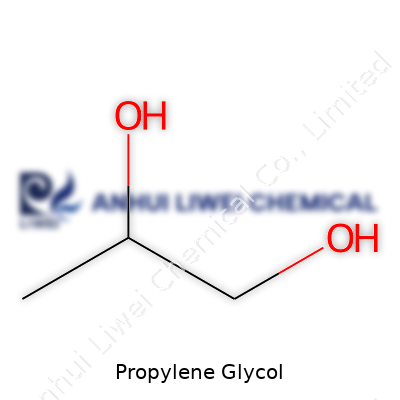
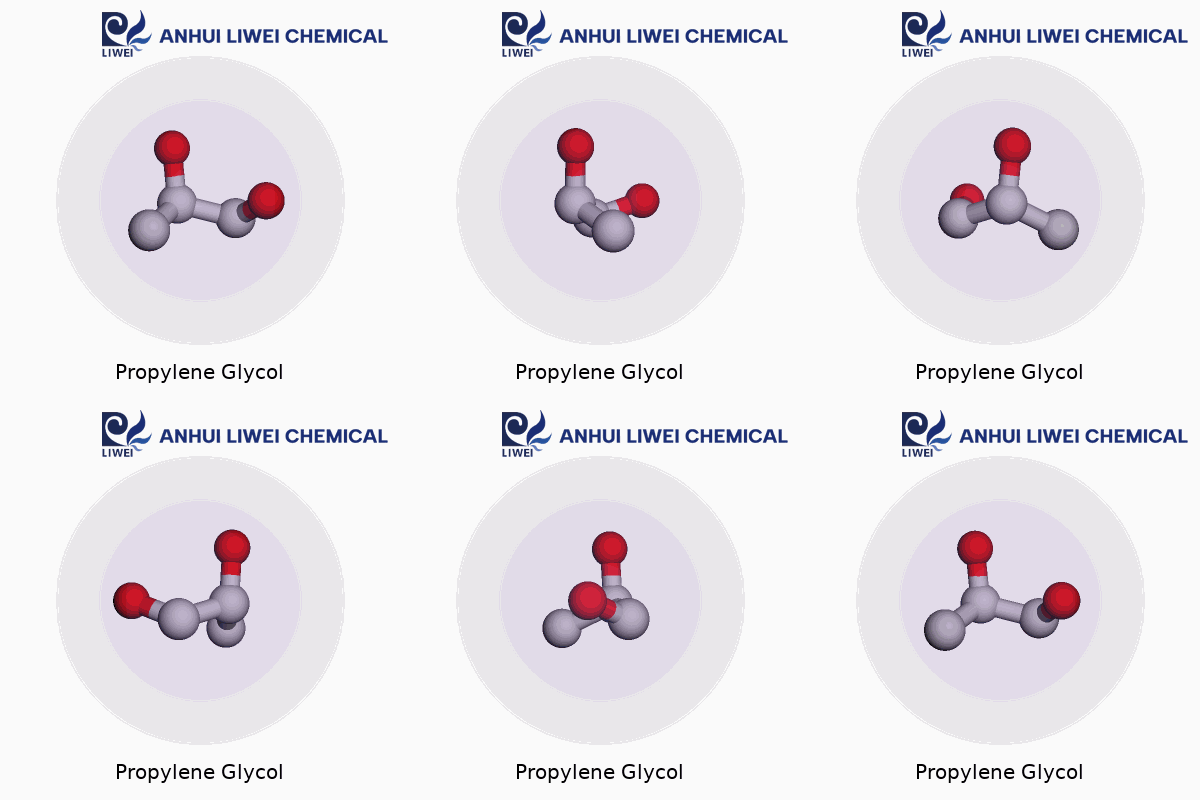
| Names | |
| Preferred IUPAC name | propane-1,2-diol |
| Other names |
propane-1,2-diol
1,2-propanediol 1,2-dihydroxypropane methylethylene glycol methyl glycol E1520 PG |
| Pronunciation | /ˌprəʊ.pɪ.liːn ˈɡlaɪ.kɒl/ |
| Identifiers | |
| CAS Number | 57-55-6 |
| 3D model (JSmol) | CC(O)CO |
| Beilstein Reference | 605 |
| ChEBI | CHEBI:17194 |
| ChEMBL | CHEMBL272986 |
| ChemSpider | 13839423 |
| DrugBank | DB01839 |
| EC Number | 200-338-0 |
| KEGG | C00583 |
| MeSH | Propylene Glycol |
| PubChem CID | 1030 |
| RTECS number | TY2000000 |
| UNII | 6DC9QXV8SN |
| Properties | |
| Chemical formula | C3H8O2 |
| Molar mass | 76.09 g/mol |
| Appearance | Clear, colorless, viscous liquid |
| Odor | Odorless |
| Density | 1.036 g/cm³ |
| Solubility in water | Miscible |
| log P | -0.92 |
| Vapor pressure | 0.13 mmHg |
| Acidity (pKa) | 14.9 |
| Basicity (pKb) | 16.9 |
| Magnetic susceptibility (χ) | -55.9e-6 cm^3/mol |
| Refractive index (nD) | 1.432 |
| Viscosity | 40.4 mPa·s at 25°C |
| Dipole moment | 2.5 D |
| Thermochemistry | |
| Std molar entropy (S⦵298) | 245.3 J·mol⁻¹·K⁻¹ |
| Std enthalpy of formation (ΔfH⦵298) | -485.9 kJ/mol |
| Std enthalpy of combustion (ΔcH⦵298) | -1837.7 kJ/mol |
| Pharmacology | |
| ATC code | S01XA07 |
| Hazards | |
| GHS labelling | GHS labelling: Not classified as hazardous; no pictogram, no signal word, no hazard statements, no precautionary statements. |
| Pictograms | GHS07 |
| Signal word | Warning |
| Hazard statements | No hazard statements. |
| Precautionary statements | P264, P280, P305+P351+P338, P337+P313 |
| NFPA 704 (fire diamond) | 1 2 0 |
| Flash point | 99°C (210°F) closed cup |
| Autoignition temperature | 371 °C |
| Explosive limits | 2.6% - 12.5% |
| Lethal dose or concentration | LD50 (oral, rat): 20,000 mg/kg |
| LD50 (median dose) | 20 g/kg |
| NIOSH | 0524 |
| REL (Recommended) | 10 mg/m3 TWA |
| IDLH (Immediate danger) | 2500 mg/m3 |
| Related compounds | |
| Related compounds |
1,3-Propanediol
Ethylene glycol Glycerol Dipropylene glycol Propylene oxide |


