Ethylene Glycol: A Comprehensive Commentary
Historical Development
Ethylene glycol began its journey in the mid-19th century after French chemist Charles-Adolphe Wurtz discovered it in 1856. Back then, organic chemistry operated in a less systematic way than now. Industrial-scale production didn’t kick off until World War I, when nations scrambled for new technical solutions. Before that, most folks recognized it for its theoretical potential rather than wide commercial value. Once manufacturers saw it as a safer alternative to earlier antifreeze compounds like methanol, production sites multiplied in North America and Europe. Over decades, it moved from an experimental lab curiosity to a bulk industrial product that touched nearly every part of modern life, especially after petrochemical routes replaced older, less efficient sugar-based preparations.
Product Overview
Ethylene glycol today stands as a staple in many sectors, from automobiles to textiles and construction. Large chemical firms bottle it in bulk, ship it by rail or truck, and funnel it toward customers who expect reliable consistency. In my time working alongside engineers in factories, I saw it pumped from giant storage tanks directly into blending vats for coolant and de-icing products. Shelf-life runs long if kept away from moisture and strong oxidizers, and manufacturers usually color it for identification. End users care about purity just as much as price, since even minor contamination can throw off a system or cause damage, especially in heating and cooling circuits.
Physical and Chemical Properties
Ethylene glycol carries a faintly sweet odor and pours easily as a thick, colorless liquid. Boiling point sits near 197°C, while it freezes around -12.9°C, offering a broad working temperature window. It dissolves in water or alcohol without coaxing, thanks to its two hydroxyl groups. Engineered systems often count on ethylene glycol’s high boiling point and low freezing mark to control thermal expansion, prevent burst pipes, or wick heat away from engines. In the lab, its moderate vapor pressure makes storage straightforward, and experts know it won’t evaporate much at room temperature. Not flammable by most day-to-day standards, but under a direct flame, it burns with an almost invisible blue flame – a fact fire safety teams rarely forget.
Technical Specifications & Labeling
Quality standards for ethylene glycol vary by region, but top grades regularly exceed 99.5% purity, with water and aldehyde levels kept to tight tolerances. Labels carry batch numbers, hazard pictograms, and producer details. Warehouse managers track drum sizes and shipping codes, often using barcodes to manage inventories. Inside plants, technical sheets line up alongside materials safety data, right at the refill station – keeping operators aware of compatibility with metals, plastics, and other fluids. Some countries ask for additive content declarations, especially when glycols mix with corrosion inhibitors, dyes, or surfactants.
Common Preparation Method
Current industry relies on the partial oxidation of ethylene to form ethylene oxide, followed by hydration – a process demanding huge reactors, precise pressure control, and strong filtration. Factories run around the clock, blending air and ethylene at hundreds of degrees Celsius, then channeling the resulting oxide into water-rich vessels. This process cranks out millions of tons per year, dwarfing the early batch methods that seemed impressive a century ago. From what I’ve seen in control rooms, the whole setup hums with precision, since stray oxygen or off-spec reactants can throw production off or even ignite dangerously. Modern catalysts cut energy costs and boost yields far beyond the early days.
Chemical Reactions & Modifications
In the chemical plant, ethylene glycol acts as both a product and a building block. Its reactive alcohol groups make it a prime candidate for condensation reactions, yielding polyesters like PET, ubiquitous in drink bottles and synthetic fibers. The same groups let it serve as a solvent for resins, lacquer, and plastic films. It breaks down under strong acids or bases, and forms esters, ethers, or higher glycols with targeted tweaks. Research outfits continue to spin-off altered glycols for novel applications in medical diagnostics or niche industrial coatings. I remember watching trial runs where tweaks to reaction time or temperature unlocked entirely new product lines.
Synonyms & Product Names
Shop floors and packaging rarely use the full chemical name outside legal requirements. Industry insiders toss around terms like MEG (monoethylene glycol), 1,2-ethanediol, glycol alcohol, or simply glycol. In trade, buyers and engineers ask for Dowtherm SR-1, Glysantin, or Prestone when specifying products tailored for coolants or heat transfer. Across languages and regions, names change, but safety markings follow an international norm. Databases list its identifiers: EG, CAS 107-21-1, and EINECS 203-473-3. Such labeling cuts down on confusion and keeps shipping lanes open between far-flung plants and international distributors.
Safety & Operational Standards
Handling ethylene glycol means setting strict rules, since workers can accidentally ingest, inhale, or spill it if procedures slip. Storage tanks must be leak-tested, clearly labelled, and kept away from strong sunlight or sparks. Protective clothing – gloves, aprons, splash goggles – stays standard. Spill kits and clean-up plans belong near every handling point, as the risk of environmental contamination brings strict penalties. Maintenance teams double-check pumps and valves, since leaks not only cost money, they pose hazards to water supplies or nearby workers. I’ve witnessed drills where teams race against the clock to contain simulated spills, highlighting the urgency compliance officers face every day.
Application Area
Cars and trucks stay on the road year-round thanks to glycol’s antifreeze abilities, protecting radiators from freezing in winter and boiling dry in summer. Commercial chillers rely on it to move heat quickly and safely. HVAC installers turn to it for underfloor heating systems or ice rinks, marveling at its reliability and relatively low corrosiveness. Textile plants count on glycol as a starting material for polyester fibers. Paint and resin manufacturers swear by its solvent power, letting their mixtures reach every edge of a sprayed surface. Aerospace firms need tailored glycol blends during aircraft de-icing before takeoff. Even smaller-scale uses in laboratories or photoprocessing labs still draw from this chemical’s versatility.
Research & Development
Researchers across the globe still trust ethylene glycol as a base for new polymers, biomaterials, and green solvents. Lab reports track fresh catalysts that boost efficiency, trim waste, and lower emissions. Startups push bio-based glycol sourced from fermentation, hoping to cut dependence on fossil fuels and shrink carbon footprints. Chemical engineers model improved reaction pathways that recycle byproducts into feedstock, further driving sustainability efforts. Academic groups use glycol as a test medium for innovative heat transfer fluids in renewable energy projects. Equipment suppliers keep refining separation and purification technologies, aiming for purer output and stronger safety margins.
Toxicity Research
Accidental or intentional ingestion of ethylene glycol leads quickly to metabolic acidosis, kidney damage, and often death if untreated. Medical teams see exposure symptoms ramp up fast, so early intervention with fomepizole or ethanol becomes essential. Countless reports warn about sweetness masking the danger – pets, children, and wildlife suffer tragic poisonings, pressing manufacturers to add bittering agents and colorants. Environmental scientists keep a close watch on glycol run-off, tracking both acute aquatic impacts and breakdown products. Regulatory agencies enforce strict discharge permits, especially near rivers and sources for drinking water. As someone who has watched a treatment plant wrestle with a drain-line leak, the sobering reality of its consequences always sticks with me.
Future Prospects
Forecasts point to a climb in demand thanks to China’s rapid industrial build-out, plus shifts toward electric vehicles that still require thermal management. Biobased and lower-carbon versions move from pilot scale to mainstream adoption, offering eco-friendly choices for global brands eager to burnish credentials. Advances in catalysis, digital plant controls, and closed-loop safety design promise cleaner, safer factories in decades ahead. Environmental watchdogs keep pressure high, ensuring quality never comes at the expense of public safety. With all these developments, both experienced engineers and new graduates bring fresh eyes to an old field, driving improvements that ripple across industries – from city power plants to rural repair shops – where ethylene glycol quietly supports modern life.
Behind the Scenes in Daily Life
Ethylene glycol shows up in ways most people don’t notice. This clear, syrupy liquid goes into the coolant inside car engines. Without it, water would freeze up during winter or boil over in the summer. Having spent years living in a place where winters knocked thermometers well below zero, I’ve seen firsthand what can happen when a car’s cooling system lacks enough protection. A friend’s engine block cracked one bitter night because plain water froze solid inside it — a costly lesson on how ethylene glycol keeps things running.
Automotive antifreeze stands as the most visible destination, but heating and cooling systems in buildings also depend on glycol for their own protection. Office towers and hospitals use this in HVAC systems to keep air at a steady, comfortable temperature regardless of the weather outside.
Hidden Ingredient in Consumer Goods
Factories don’t just pour ethylene glycol into car radiators. It goes into making polyester fibers for clothing and bedding. Durable, wrinkle-resistant shirts rely on processes supported by this chemical. Beverage containers and plastic bottles born in the polyester production line also owe something to glycol. Even everyday paints, inks, and some types of cosmetics might pull from this steady workhorse.
Risks That Don’t Disappear
A liquid with so many uses also brings real risks. In low doses, ethylene glycol slips by the senses — no strong smell or taste to challenge curiosity. But drinking it causes powerful, often fatal poisoning. The Centers for Disease Control and Prevention shares that only a small swallow, as little as 30 milliliters, can kill an adult by shutting down the kidneys. Maybe because it tastes slightly sweet, children or pets nibbling on puddles of leaking antifreeze often wind up hospitalized.
It only takes reading about one tragic accident caused by an unlabeled container to understand why strict storage matters at home and in workshops. Every year, emergency rooms treat people and animals sick from accidental poisoning. Public health campaigns push for the use of safer, less toxic versions that are hard to swallow or have a bitter agent added to discourage taste-testing by accident. These new formulas save lives but haven’t pushed the traditional product out of circulation.
Improving Safety While Meeting Demand
Demand for ethylene glycol probably won’t fade, given how much industry depends on it. Still, safer handling needs steady attention. Employers and parents can store chemicals far from where kids and pets might roam. Manufacturers could take more responsibility for making containers that don’t spill or leak as easily. Adding strong warning labels in multiple languages, or switching over entirely to low-toxicity alternatives, would help.
Beyond industry, recycling old coolant properly protects both people and the environment. Waste management sites already collect it separately, but plenty of folks still pour used coolant down drains or into the soil. That contaminates drinking water and hurts wildlife. Local governments offering more accessible drop-off spots and spreading the word about collection programs make recycling easier.
Why It Matters
Ethylene glycol makes a quiet but meaningful impact from the clothes you wear to the way your car starts on a cold morning. It brings convenience at a cost — safety measures can’t take the back seat. Keeping a careful eye on its use and disposal means everyone can benefit from its strengths without paying the price for its drawbacks.
Understanding Ethylene Glycol
Ethylene glycol, the main ingredient in antifreeze, has a sweet taste. This quality tricks pets and sometimes children into trying it, mistaking it for something harmless. Many years working with animals taught me to spot the subtle signs of poisoning long before a diagnosis lands. When a pet owner brings a sluggish cat or a vomiting dog to the clinic in winter, the question about chemical exposure always comes up. Veterinarians stay alert for these cases because ethylene glycol is treacherous: a small amount causes big problems fast.
Why the Toxicity Matters
A teaspoon could be fatal for a cat. Dogs might need only a tablespoon or two for serious trouble. Once swallowed, ethylene glycol quickly breaks down in the body to produce acids that wreck kidneys. The same applies to people, though adults rarely drink the stuff by mistake—most human exposures come from accidental spills, improper storage, or suicide attempts.
According to data from the American Association of Poison Control Centers, thousands of cases happen each year in the United States alone, with children and pets making up a significant portion. Even the CDC stresses the urgency of treating ethylene glycol poisoning quickly to avoid kidney failure or death. No one forgets a pet lost to this silent killer, and families never forgive themselves for missing it.
Spotting the Signs of Poisoning
Vomiting, wobbliness, fast heartbeat, and seizures show up early. Left untreated, a poisoned animal can slide into kidney failure in less than a day. In people, confusion or coma can follow. Testing urine or blood turns up clues, but getting to a hospital or vet as fast as possible makes the biggest difference. Time lost means damage done.
Why This Still Happens
Antifreeze is easy to buy at hardware stores. Kids and pets get into garages, and old cars leak onto the pavement. The problem has some simple roots: poor storage, leaks, no warning labels, and the continued use of toxic formulas. Safer versions with bitters added to taste terrible have helped, but not everyone pays attention to product safety or switches out the old bottles.
What We Can Do
Keep antifreeze locked up high—placing it low or out in the open spells danger. Clean up spills right away. Switch to propylene glycol-based formulas if possible; they’re safer for both people and animals. Community programs that collect old chemicals make a big difference. As neighbors and pet owners, we can spread the word. Policy-wise, requiring bittering agents in all antifreeze formulas offers a practical step that won’t add much cost yet could save countless lives.
After years in veterinary practice, stories of lost pets keep echoing. Prevention starts with care, continues with education, and finishes with safer products on store shelves. Awareness makes the biggest difference—just one conversation can stop future heartbreak.
More Than Just Antifreeze: Respecting the Risks
Ethylene glycol pops up in a lot of everyday products. Widely used in coolants and antifreeze, it’s the stuff that keeps engines from freezing in cold weather and overheating in the summer. People sometimes think it’s a harmless chemical because it’s everywhere, but one mistake in storing or handling it can quickly become a problem. Just one mouthful can cause serious poisoning, and spills in the shop or garage put curious kids and pets at risk.
Why the Right Container Matters
A leaky jug or a reused soft drink bottle filled with ethylene glycol is a recipe for disaster. Using clearly labeled, tightly sealed containers is the simplest way to prevent accidental poisonings. My neighbor once kept some in a sports drink bottle, planning to use it for his car that weekend. His dog nearly paid the price. There’s nothing theoretical about the risk. Poison control centers receive calls every day for this reason.
Mind the Temperature and Light
Leaving ethylene glycol in direct sunlight can break it down faster, especially in clear containers. Warmer conditions can also build up pressure in sealed bottles, possibly causing leaks. A cool, shaded storage area slows this process. A locked cabinet or shed away from direct heat sources keeps both the product and your family safer.
Spill Cleanup and Hygiene
I once saw a guy mop up a coolant spill with paper towels, then toss it into regular trash. That runoff can seep into the soil or reach storm drains faster than you’d think. It makes sense to use specialized absorbents or sand. Local laws often require used cleanup materials to go in hazardous waste collection, not the household bin. That one step helps keep toxins out of waterways and prevents wildlife poisoning.
Staying Ahead of Leaks
Regularly inspecting containers, especially old jugs and drums, pays off. Even a hairline crack can ruin a whole shelf of supplies and might call for a professional cleanup if it goes unnoticed. If a container seems fragile or starts sweating, it’s time to repack it and mark the date you did. Many shops mark inspection dates with a sticker—one of the simplest habits for chemical safety.
Importance of Education and Training
Most accidents tied to ethylene glycol happen where there’s no clear signage or training. Some folks leave things unlabeled "just for a few minutes," underestimating how quickly someone can come along and get hurt. Workshops and garages benefit from a checklist and quick crash course for staff and visitors. Teaching kids what the word "poison" means and using childproof locks adds an extra line of defense.
Disposal: Out of Sight Shouldn’t Mean Out of Mind
Dumping unused ethylene glycol in the yard or down the drain isn’t just dangerous, it’s often illegal. Waste handling facilities or automotive stores usually offer recycling or safe disposal. Used antifreeze may also contain other toxic metals, raising the stakes. That’s one reason to call ahead before showing up with an old jug, since not all centers accept it.
The Bottom Line—A Small Change Goes a Long Way
I’ve seen the damage that careless handling can do. The story plays out the same every time: nobody expects an accident until it happens. Clear labels, safe storage, and thoughtful disposal protect everyone involved. Real-world experience says small habits prevent big headaches, both at home and at work. Ethylene glycol serves a valuable purpose, but only when folks show it the respect it demands.
Understanding the Dangers of Ethylene Glycol
Ethylene glycol turns up in all sorts of places — car engines, industrial chillers, even some solar panel systems rely on it. The stuff keeps engines cool and helps heat pumps manage temperature swings. Yet, despite all the good it does for our machines, it poses real threats for people, animals, and local ecosystems if not handled with care. If it gets into the water or seeps into the ground, it can poison wildlife and contaminate drinking supplies. That makes careful disposal a priority anyone who works with chemicals needs to keep front and center.
Disposing of Ethylene Glycol: What Actually Happens
One of the most common ways people deal with used antifreeze involves taking it to a trusted recycling center. Here’s why this matters: recycling avoids dumping toxic chemicals down the drain, which can lead to legal fines and environmental fallout. At these sites, technicians filter out contaminants like heavy metals and oil. This processed liquid can return to service in vehicles or cooling systems, keeping the cycle going. Some auto shops and municipal hazardous waste centers collect used antifreeze for recycling. It’s important to keep used and unused fluids separate, since mixing makes sorting much harder and can reduce the chances of recycling.
In places where recycling just isn’t available, safe disposal must happen with the support of certified hazardous waste handlers. These professionals know how to neutralize and manage waste in keeping with strict laws. The U.S. Environmental Protection Agency (EPA) and similar agencies overseas enforce rules around these procedures. Disposing of ethylene glycol alongside regular trash or into sewers threatens both fines and far-reaching environmental damage.
The Risks of Improper Disposal
Stories aren’t hard to find about accidental poisonings. Just a small puddle left on a driveway can attract pets and wildlife — ethylene glycol smells sweet, but its effects turn deadly fast. According to the American Association of Poison Control Centers, thousands of accidental pet poisonings happen each year from antifreeze. Even smaller spills seep into the soil where they stick around, persisting in groundwater for years.
What Can Everyday Folks Do?
Handling waste right starts with basic habits. Anyone draining coolant from a radiator should use a drip pan and work indoors or over concrete. Even a minor spill should never get rinsed away with a garden hose. Local governments often run special collection events for household hazardous waste; details usually come up with a quick search or call to city hall. Many auto part shops join in these programs too and will take back your used coolant for free or a small fee. Miss that window and you might hold onto the stuff, labeling it clearly, until the right option appears.
Changing the Story for the Better
More manufacturers now offer propylene glycol alternatives, which bring lower toxicity but still demand care. Regulation alone can’t solve the problem; education counts for just as much. Schools, businesses, and community groups all have roles to play reminding people why even a tiny splash of hazardous waste really can matter. From a personal perspective, you feel better knowing you kept toxins out of reach from somebody’s pet, and you’ve done your own small part in protecting soil and water for the long haul.
An Everyday Chemical with Hardworking Traits
Ethylene glycol shows up in a lot of places where we might least expect it. This colorless, almost odorless liquid earned its spot on my shelf for its practical use as antifreeze in my long-lived old car back in college. Looking at its physical traits, it pours thicker than water and feels almost syrupy to the touch. Its freezing point sits right around -12.9°C, but it doesn't crystallize alone in most cases. Blended into water, it keeps fluids from freezing up in pipes and radiators, even during cold snaps that send temperatures plummeting. Its boiling point clocks in at about 197°C, so it sticks around as a liquid under the hood of a running engine.
The sweetness of ethylene glycol misleads—pets and young kids can be attracted to spills, which brings up a real-life risk. Ingested, it becomes dangerous fast, so handling it with respect matters at home and work. It also mixes well with water. That trait stems from a couple of -OH groups on its molecule, which also account for its sticky, almost oily behavior. Unlike some chemicals that stink up a whole garage, ethylene glycol keeps a pretty low profile until heated or mixed.
How Ethylene Glycol Stands Up Chemically
Its chemical backbone—two carbons, each with its own -OH—lays out a clear path for how it acts and reacts. The -OH groups make it a diol, so it shares some traits with simpler alcohols like ethanol, but it’s much less volatile. I’ve always noticed it doesn’t evaporate all over the place, making clean-up easier if it leaks. That low vapor pressure means workers breathe in less of it during maintenance jobs, though splashes still pose a risk because it absorbs through skin.
Ethylene glycol holds up under lots of conditions, but not forever. Heat and strong acids kick it into reaction mode, breaking it down or helping it form new chemicals in a process called esterification. That’s good news for industry—resin makers, for example, put this property to work when crafting polyesters for bottles and fibers. I worked a summer job at a plastics factory, and remember the raw glycol drums lined up next to vats where that transformation happened every day.
Role in Modern Life and Some Worries
Most drivers rely on ethylene glycol to keep cars running, but not everyone knows it also protects airplane wings from ice. This reliability came into focus during harsh winters, when airport deicing trucks worked late into the night. Across industry, its presence in hydraulic fluids or its use to make coolants for electronics proves it’s not just a one-trick pony. Despite that, there are trade-offs. Spilled ethylene glycol drains into groundwater if not cleaned up, and it breaks down in nature to create acids and oxidation byproducts. This puts aquatic life at risk, which has spurred some folks, especially in environmental agencies, to champion safer handling procedures and encourage alternatives in sensitive outdoor uses.
Building a safer world with ethylene glycol becomes a question of balance—meeting practical needs without ignoring health and environmental concerns. I’ve seen the shift toward formulas with added bitterants and tighter regulations for disposal, both of which help lower risks. Fact sheets from agencies like the EPA and OSHA point out ways to contain spills and limit exposure. Being informed and cautious matters, especially when what seems like a simple clear liquid carries weighty consequences in the real world.
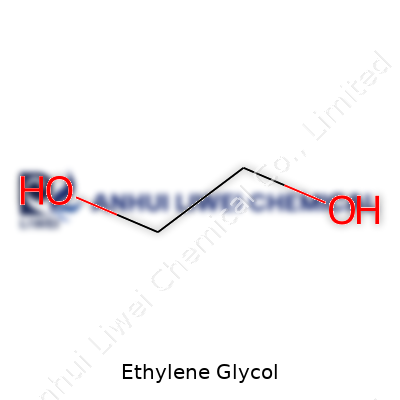
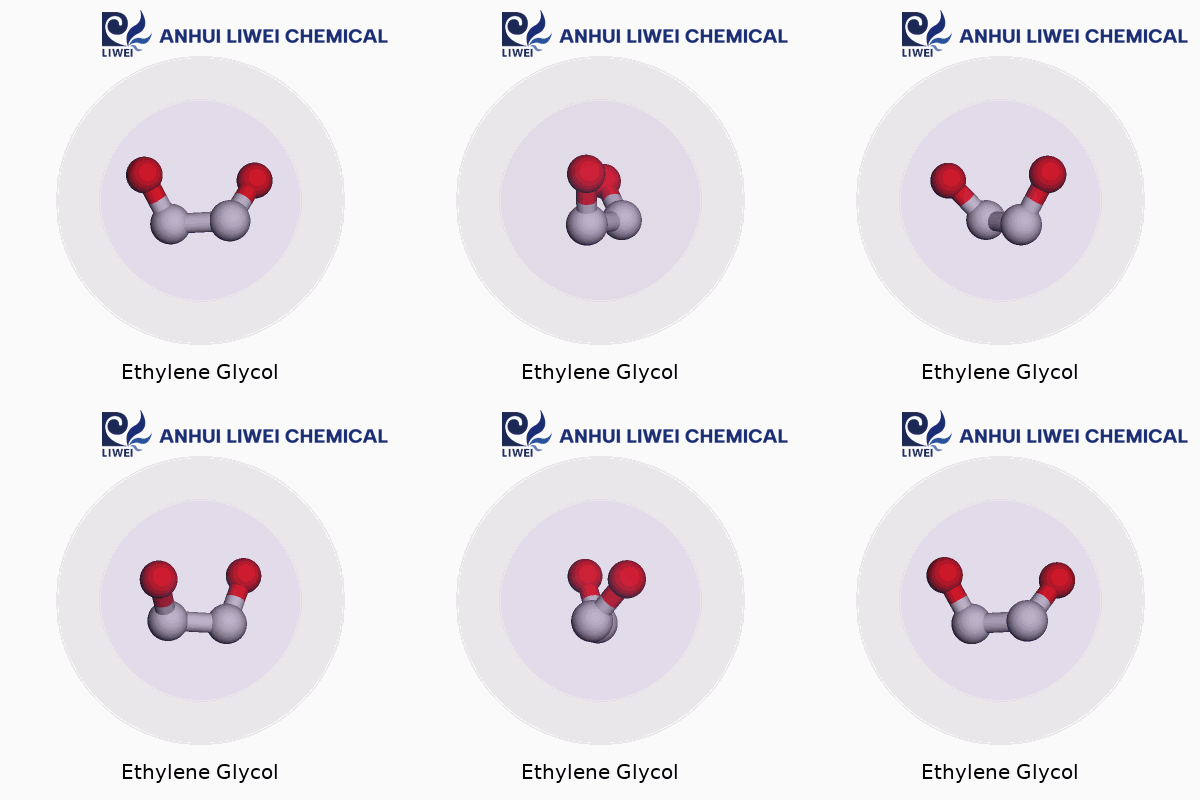
| Names | |
| Preferred IUPAC name | ethane-1,2-diol |
| Other names |
1,2-ethanediol
ethane-1,2-diol monoethylene glycol MEG glycol 1,2-dihydroxyethane 2-hydroxyethanol |
| Pronunciation | /ˈɛθ.ə.liːn ˈɡlaɪ.kɒl/ |
| Identifiers | |
| CAS Number | 107-21-1 |
| 3D model (JSmol) | OCCO |
| Beilstein Reference | 505945 |
| ChEBI | CHEBI:30742 |
| ChEMBL | CHEMBL457 |
| ChemSpider | 13835235 |
| DrugBank | DB02761 |
| EC Number | 203-473-3 |
| Gmelin Reference | 8 |
| KEGG | C01380 |
| MeSH | Ethylene Glycol |
| PubChem CID | 174 |
| RTECS number | KW2975000 |
| UNII | FC72KVT52Y |
| UN number | UN 3082 |
| Properties | |
| Chemical formula | C2H6O2 |
| Molar mass | 62.07 g/mol |
| Appearance | Clear, colorless, viscous liquid |
| Odor | sweet |
| Density | 1.1132 g/cm³ |
| Solubility in water | Miscible |
| log P | -1.36 |
| Vapor pressure | 0.06 mmHg at 20 °C |
| Acidity (pKa) | 14.22 |
| Basicity (pKb) | 17.4 |
| Magnetic susceptibility (χ) | -33.9 × 10^-6 cm^3/mol |
| Refractive index (nD) | 1.4318 |
| Viscosity | 16.9 mPa·s at 25 °C |
| Dipole moment | 2.28 D |
| Thermochemistry | |
| Std molar entropy (S⦵298) | 166.9 J/mol·K |
| Std enthalpy of formation (ΔfH⦵298) | -455.4 kJ/mol |
| Std enthalpy of combustion (ΔcH⦵298) | -1180.8 kJ/mol |
| Hazards | |
| Main hazards | H302 Harmful if swallowed; H373 May cause damage to organs (kidneys, central nervous system) through prolonged or repeated exposure if swallowed |
| GHS labelling | GHS Labelling: Signal Word: Warning; Hazard Pictograms: GHS07, GHS08; Hazard Statements: H302, H373; Precautionary Statements: P260, P264, P270, P301+P312, P330, P314, P501 |
| Pictograms | GHS07, GHS08 |
| Signal word | Warning |
| Hazard statements | H302, H373 |
| Precautionary statements | P260 P264 P270 P301+P312 P314 P330 P501 |
| NFPA 704 (fire diamond) | NFPA 704: Health 2, Flammability 1, Instability 0 |
| Flash point | 111 °C |
| Autoignition temperature | 398°C |
| Explosive limits | 3.2 - 15.3 vol% |
| Lethal dose or concentration | Lethal dose (human oral): approximately 1.4-1.6 mL/kg (around 100 mL for a 70 kg adult) |
| LD50 (median dose) | 4700 mg/kg |
| NIOSH | NIOSH REL: TWA 50 ppm (125 mg/m3) [skin]; IDLH: 2000 ppm |
| PEL (Permissible) | 50 ppm (125 mg/m³) |
| REL (Recommended) | 50 ppm (125 mg/m3) TWA |
| IDLH (Immediate danger) | 100 mg/m3 |
| Related compounds | |
| Related compounds |
Ethylene oxide
Propylene glycol Diethylene glycol Triethylene glycol Glycolaldehyde Ethanolamine 1,2-Propanediol Ethylene glycol monoethyl ether Ethylene glycol dimethyl ether |


