Dichloromethane: A Comprehensive Commentary
Historical Development
Dichloromethane, known to many as methylene chloride, has traveled a long path since its early discovery in the 19th century. Michel-Eugène Chevreul stumbled upon this clear, volatile liquid during his experiments with wood salt and methyl alcohol. The chemical industry jumped on board not long after refrigerators began to replace iceboxes in the early 20th century. Back then, folks handled it without breathing gear or gloves, drawn by its outstanding solvent power. Over the years, scientists and manufacturers learned the hard way about the cost of productivity when worker health started suffering from chronic exposure. Regulations tightened slowly, pushed by reports of dizziness, headaches, and even cases where folks blacked out during use. The 1980s and 1990s saw a strong shift toward occupational safety, with global agencies reevaluating risks and setting stricter exposure limits. That hard-won progress explains why workplace standards today demand well-ventilated spaces, detector alarms, and full PPE. Looking back, you can see a tug-of-war between innovation and safety, and the people in the middle—chemists, janitors, factory workers—paid the early price for this balance.
Product Overview
Dichloromethane occupies a unique spot in both industrial and laboratory settings. Seen in paint removers, pharmaceuticals, degreasing agents, and even decaffeinated coffee, this solvent’s clout gets real only after you’ve worked with it hands-on. It dissolves many organic compounds, chips away at grease, lifts off stubborn coatings, and does the dirty jobs other common solvents can’t touch. Surfaces stripped with methylene chloride come out cleaner, faster, and with fewer residues that might interfere in follow-up processing. I’ve noticed that professionals keep it on hand for old varnish and resin cleanup jobs, specifically because nothing else cuts through layered adhesives quite as quickly. The catch—this is no casual-use item. Everyone who works with it learns the difference pretty early on between convenience and risk. Bottles on shelves feature safety warnings, and in the lab, air extraction fans run overtime to keep vapors away from faces and lungs.
Physical & Chemical Properties
Dichloromethane stands out with a sweet, ether-like smell and quick evaporation rate. At room temperature, its colorless and non-flammable nature lulls many into underestimating just how volatile it can be. A boiling point around 39.6°C means it flashes off fast if you spill it on an open benchtop or equipment. It feels heavier than water due to its density (1.33 g/cm³), and this heavy vapor can pool in low places, creating unnoticed hazards near floor drains or pits. In solution, it pairs well with most organic compounds, refusing to mix with water but handling oils and greases easily. This chemical likes to react only under serious coaxing, usually staying put unless strong bases or active metals show up. For those handling it daily, the feel of cold on the skin serves as a warning, since volatility leads to rapid cooling and the risk of frostbite after direct contact.
Technical Specifications & Labeling
Product labels for dichloromethane offer more than just purity levels. Standard grades range from technical and laboratory to HPLC and pharmaceutical quality, often configured above 99% pure for industrial jobs. Regulators insist on clear hazard pictograms, risk phrases, and details on safe storage temperatures. Any reputable supplier highlights batch number, manufacturing date, and sometimes even trace analysis for contaminants like chloroform and methanol. Container sizes run from 500 mL glass bottles for the lab to steel drums and bulk tankers for large operations, each with appropriate seals and vapor-proof linings to avoid leakage. Proper labeling and clear safety data sheets make the difference between safe practice and dangerous shortcuts—especially in shared spaces where not everyone may recognize it by smell or name alone.
Preparation Method
Manufacturers typically produce dichloromethane by chlorinating methane or methyl chloride in the presence of a catalyst under controlled temperature and pressure. This step-wise substitution swaps each hydrogen atom in methane with chlorine, creating not just dichloromethane but also monochloromethane, chloroform, and carbon tetrachloride. Purification separates these byproducts—fractional distillation clears away residues, leaving the desired fraction as dichloromethane. Large facilities invest in extensive ventilation and neutralization systems to scrub released hydrochloric acid and manage chlorinated byproduct waste. My own observations suggest that efficiency hinges on both reactor temperature control and rapid removal of heat and acid gases, reducing the chance for runaway reactions and side products that eat into yield.
Chemical Reactions & Modifications
Dichloromethane stays mostly inert under regular conditions, which boosts its credentials as a safe solvent in chemistry labs. Only powerful reagents, such as strong alkali or metals like sodium, prompt decomposition, releasing methyl chloride and sometimes phosgene. In industrial syntheses, it sometimes pops up as a methylating agent under specialized conditions, though by and large its reactivity doesn’t threaten nearby substances during ordinary use. Those using dichloromethane for extraction find its behavior almost predictable, separating target organic compounds based on partition coefficients, then evaporating away safely using rotary evaporators or ventilated hoods. Adapting it for modern greener chemistry means tweaking its use rather than tweaking the molecule itself, finding ways to capture vapors and recover spent solvent rather than discarding it after one pass.
Synonyms & Product Names
Dichloromethane masquerades under many banners: methylene chloride, DCM, freon 30, and solmethine, to name a few. Labels shift between these terms based on region, supplier, and application. Industrial producers sometimes use trade names, such as Aerothene MM or Narkotil, creating confusion for anyone new to the chemical’s world. In regulatory paperwork, “Methylene Chloride” tends to stick, particularly in U.S. Occupational Safety and Health Administration (OSHA) documents. As a rule of thumb, cross-referencing label names and CAS numbers (75-09-2) avoids disastrous mix-ups on shop floors and in storage rooms.
Safety & Operational Standards
Anyone unwrapping a drum of dichloromethane knows not to trust its mild odor or appearance. Both OSHA and the European Union passed exposure limits that shape workplace routines. Companies monitor air with real-time detectors, rotate staff to limit individual exposure, and lay down clear pathways for emergency evacuation. Gloves and goggles cut down on splash risk, yet even short contact can result in dizziness and nausea. In some settings, on-the-job training sessions highlight rescue protocols in case a worker passes out around poorly ventilated tanks. Chemical supply rooms run scrubber fans around the clock, and disposal contracts detail how to neutralize and incinerate waste under strictly controlled conditions. You won’t find shortcuts here—safety lapses show up right away, and consequences can linger long after the last beaker gets washed.
Application Area
Methylene chloride’s reach threads through more industries than most solvents get to touch. Paint removers blend it with strong thickening agents to cling to vertical surfaces, chewing through decades-old coatings within minutes. Drug manufacturers lean on its ability to create pure intermediates by extracting pharmaceutical actives from reaction mixes. Laboratories around the world rely on its efficiency for liquid-liquid extractions, thinning samples down to concentrate specific trace compounds. Decaffeination uses it to draw caffeine out of coffee and tea beans, then evaporates off leaving almost no trace behind. I’ve watched it strip grease from circuit boards, etch away labels in forensic analysis, and power the cleaning of airplane parts after heavy-duty use. Each task takes advantage of its volatility and solvency, letting workers skip multi-stage cleaning steps that less aggressive chemicals might require.
Research & Development
Ongoing research tracks two main goals: replacing dichloromethane with greener alternatives and capturing emissions during use. Green chemistry teams experiment with supercritical carbon dioxide or ionic liquids to do the same solvent trickery without the same risk to people or the planet. Studies run head-to-head comparisons on extraction efficiency, downstream impact, and how much residue lingers after treatment. Analytical chemists publish insights on closed-system evaporators, highlighting how even minor tweaks in equipment design cut workplace exposure. Waste management research digs into on-site solvent recovery, aiming to keep costs down and reduce the load on hazardous waste incinerators. Teams in regulatory science reexamine chronic exposure data, working to bring global standards into alignment with the latest toxicological findings. Each round of R&D pulls the industry a little further from “acceptable risk” and inches it closer to full lifecycle responsibility.
Toxicity Research
Toxicologists have measured short-term and long-term effects of dichloromethane exposure on both workers and lab animals. Inhaling even brief bursts of vapor triggers headaches and dizziness; longer exposure ramps up risks of memory loss, sleep disturbances, and liver damage. Repeated skin contact leads to chemical burns and makes existing dermatitis much worse. Animal studies have tied chronic exposure to cancer in mice and rats, bumping DCM onto major lists of suspected human carcinogens with agencies like IARC. Studies in the workplace backed these findings, logging higher-than-average rates of certain cancers in industries using little protective equipment. Public health campaigns now warn DIY-ers to drop chemical paint strippers for safer alternatives. Toxicity research continues to unravel exactly how these effects happen and how to spot warning signs before symptoms appear, making a solid case for careful stewardship wherever dichloromethane lingers.
Future Prospects
Change inches forward every year as both business and science look to lower environmental impact and improve worker safety linked to dichloromethane. Regulatory bodies propose tighter emission standards, pushing companies to redesign paint removers, degreasers, and extraction protocols. University spin-outs and industry labs keep testing bio-based and recyclable solvents, often backed by green chemistry incentives and government funding. Technology exists to recycle used DCM in closed-loop systems, yet many smaller businesses hang on to familiar (though hazardous) practices until costs or legal pressures force upgrades. The challenge now sits both with inventors making safer solvents cost-effective and decision-makers who set workplace culture. Future success means not only swapping chemicals but also changing mindsets—valuing health and ecological responsibility as much as raw production and speed. Those who get ahead of the curve show what responsibility looks like, leaving the old dangers behind as relics of a more careless age.
Everyday Uses, Unseen Risks
Dichloromethane might sound like something most folks will never run into, but it has left its mark on a lot more products and processes than people realize. This quick-evaporating solvent lives in paint strippers, pharmaceuticals, food flavor extraction, and even decaf coffee. I’ve walked through hardware aisles and caught whiffs of chemicals clinging to open cans. That sharp, somewhat sweet scent often comes from this compound.
The Workhorse Solvent
Paint stripping often calls for something strong, especially when dealing with tough finishes on old doors or wooden trim. Dichloromethane cuts right through stubborn layers. As a result, professionals and DIY renovators have counted on its power for decades. In labs, the compound’s ability to dissolve fats and resins made it a staple for extracting natural flavorings from foods, including the caffeine from coffee beans. This same property also allows pharmacists to purify certain medicines.
Health Questions with No Easy Answers
The catch is, this solvent doesn’t just evaporate and disappear. Breathing in too much can scramble the nervous system, cause dizziness, or trigger headaches. Crank up the exposure, and the risks run toward heart issues and, after years, even cancer. After learning about safety issues in chemical handling certifications, I started thinking twice about ventilation and personal protective equipment, even outside the lab. I once helped a neighbor strip paint from a garage door, and just a half-hour in a poorly ventilated space left us with pounding headaches. Imagine people on job sites using it daily without proper gear.
Industry Shift and the Search for Safety
Following pressure from workplace safety advocates and consumer groups, rulebooks about this solvent have been rewritten in several countries. In the U.S., public outcry spurred the Environmental Protection Agency to block its sale to most consumers for paint removal. Policies kicked in after stories surfaced about people passing out—or worse—in closed spaces. This gave some relief, but industries and professionals still rely on it. Changing overnight just isn’t practical, and safe alternatives haven’t matched its power or low cost.
Moving Forward: Wiser Use, Better Awareness
The tough reality is that this chemical isn’t going away soon. Factories, research labs, and even niche coffee roasters can’t snap their fingers and switch. But open conversations about safety make a difference. Workers have pushed for better masks, smart ventilation, and training about what’s at stake. Homeowners and handymen deserve clear labels and warnings. Alongside technology, transparency stands out as one solution—people won’t protect themselves from a risk they never knew existed.
We all use products that depend on chemicals like dichloromethane, whether we realize it or not. It doesn’t have to stay hidden, as long as everyone along the line—from factory floor to home workshop—knows what’s inside the can and how best to use it.
Understanding What We’re Dealing With
Dichloromethane shows up in a lot of places: paint strippers, certain adhesives, even some degreasing solutions you find in workshops or garages. Folks in construction, metalwork, and home improvement have probably seen its sharp smell, maybe without thinking twice. It gets the job done fast, which explains the continued use, but it’s hard to ignore those warnings on the can. So what are we really facing here?
Real Risks, Not Rumors
Years ago, I worked in a woodworking shop where dichloromethane, also called methylene chloride, was common for stripping paint. Back then, the main concern was spills or skin irritation. But studies from trusted institutions, like the National Institute for Occupational Safety and Health (NIOSH), show that breathing even small amounts indoors can start to mess with the nervous system. Short exposures might bring on dizziness or headaches, but heavy or repeated use can go much deeper—risking suffocation and, in some cases, sudden loss of consciousness. Folks using it in closets or garages without ventilation might get light-headed without realizing why, sometimes until it’s too late.
Cancer risk isn’t just guesswork either. The US Environmental Protection Agency lists dichloromethane as a likely human carcinogen based on multiple animal studies and some data from workers. I’ve talked to old-timers who swear by the chemical, but a lot of them now wish they’d used better protection back in the day. A few even dealt with liver issues later in life, and the suspicion never quite left their minds.
Why Rules Don’t Always Prevent Harm
There are plenty of rules about safe use in workplaces. OSHA requires employers to give proper masks, set up ventilation, and provide training. But these controls aren’t always followed in older buildings, or by small businesses trying to save money. The EPA even banned retail paint strippers with dichloromethane for regular consumers—after real, fatal accidents in people tackling DIY jobs at home. Those stories stick with anyone who’s spent an afternoon working with solvents in a garage or basement.
Practical Solutions the Industry Can’t Ignore
Better safety comes from changing habits, not just policies. Ventilation sounds obvious, but it means more than just opening a window. Fans, targeted exhaust, and choosing outdoor spaces make a huge difference. Gloves, goggles, and a true organic-solvent mask should feel as natural as safety glasses around a saw—never optional. I remember field days where supervisors gave extra points for keeping a respirator on, and it made a difference to everyone’s mindset.
Alternatives make a serious dent in the problem, too. Water-based strippers and citrus-based removers have their downsides. They don’t work as fast, but you won’t end up breathing something that can knock you out or cause cancer twenty years from now. Investing a few more minutes scrubbing or paying a little extra for safer products seems worth it once you’ve run the numbers on long-term health.
Education Beats Warnings on a Label
Knowing what’s in a product goes a long way. Stores and suppliers should make ingredient lists clear and easy to find, not buried in fine print. Community classes, union safety training, and even a five-minute safety talk before starting a project keep the risks fresh in people’s minds. With so much research backing up the risks, there’s no excuse not to spread the word and demand better choices—at home and on the job.
Understanding the Risks
Dichloromethane sounds like another chemical name in an already crowded lab. In reality, this solvent shows up in paint thinners, degreasers, pharmaceuticals, and countless factories. It evaporates fast and packs a punch to the lungs. I remember helping out in a university lab: the fridge by the window stored this clear liquid in a container marked with a full sheet of warning symbols. One slip in how it's stored and you risk more than just losing inventory—you’re dealing with heavy fumes and possible law trouble.
Ventilation Matters
Strong ventilation trumps everything else when it comes to safe chemical storage. Closed rooms, poor airflow—these let vapors collect, sometimes at levels you barely notice until your head gets light. There’s the health part: inhaling enough dichloromethane can mess with your nervous system and affect how your heart beats. Regular fans barely move enough air; a good chemical vapor hood or a storage room with an exhaust system works best.
Fire Is a Real Danger
Some imagine solvents and open flames as obvious enemies. Dichloromethane lands in a gray area. It won’t ignite easily at room temperature, but that doesn’t mean it’s risk-free. Spills still threaten safety, especially around sparks or old electrical panels. I saw an accident report where vapors spread through a barely sealed window and hit a careless spark from another chemical reaction. So, any storage area must keep the chemical far from ignition sources, incompatible materials like strong oxidizers, and sunlight. No one wants to test their fire alarm thanks to sloppy habits.
No Ordinary Containers
Ordinary jugs or leftover soda bottles never cut it for this stuff. Dichloromethane eats away at weaker plastics and leaches into the air if not completely sealed up. Storage means using heavy-duty containers—often amber glass or tightly lidded metal cans. Chemical-resistant labels keep folks from confusing one colorless liquid for another. You can’t print a label once and call it a day, either. After a spill in a classroom, someone realized that the faded label on an old bottle made the response way slower. Tough, clear labels save headaches and hospital trips.
Temperature Keeps Things Safe
Some people forget about temperature, then get a cold slap in winter or a hot, sticky mess in summer. Dichloromethane doesn’t need freezing: it asks for cool, stable temperatures—nothing too close to boiling, nothing below zero. Hot storage rooms make vapors build up faster, letting fumes escape the tightest caps. In one factory, a broken A/C raised room temperatures by ten degrees, and the smell alone sent people running for masks.
Training Everyone, Not Just the Boss
You can design the best storage room on paper, but if folks don’t know its rules, trouble will find a way in. Training can feel tedious, but every person who handles or walks past dangerous chemicals should know about protective gear, spill procedures, and emergency exits. Big signs and simple steps work better than thick books of instructions. Fact is, people remember their close calls better than most PowerPoints.
Why Good Storage Pays Off
Strict storage keeps people healthier and avoids legal fines. Inspections these days don’t glance over messy shelves. One violation drags out weeks of paperwork. Chemical safety lists like OSHA and NIOSH give out updates, and smart workplaces adapt right away. The labs I’ve worked in keep a laminated cheat sheet next to the storage shelves, listing storage rules, who to call, and how to clean up. It never sits forgotten in a binder—it’s up on the wall, where every glove-snap and nervous moment reminds you to read it.
Understanding Dichloromethane
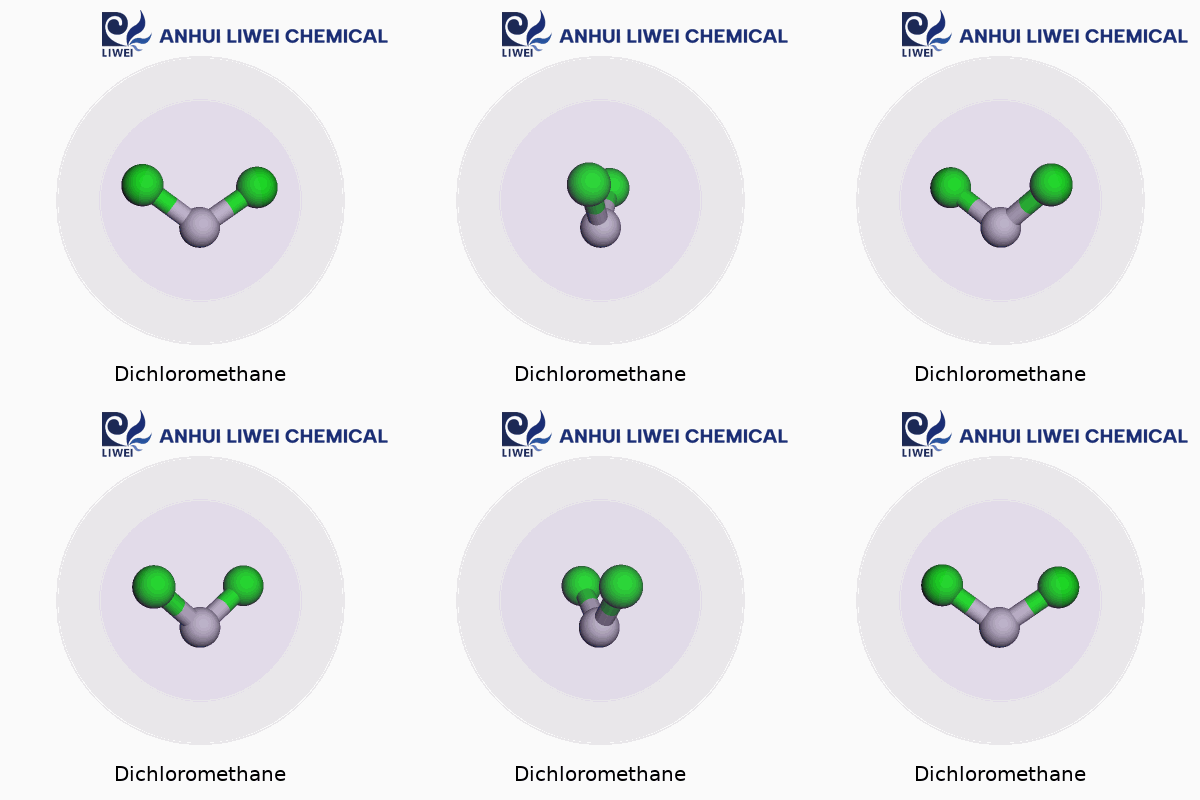
Dichloromethane shows up under the familiar chemical formula CH2Cl2. Picture a carbon atom connecting to two hydrogens and two chlorines. At first glance, it feels like high school chemistry, but this liquid plays a much bigger role once you look closer at how it impacts industry, health, and even the daily environment.
A Formula Driving Industrial Progress
This colorless liquid cuts through grease, paints, and resins in a way water never will. Around factories, it’s a staple for cleaning and manufacturing. I remember spending a summer cleaning auto parts; nothing got rid of engine gunk better than a quick dip in a tank filled with dichloromethane. Even the stubborn glue from old stickers would wipe away after a rinse. On paper, it looks harmless, but with great cleaning power comes plenty of questions about safety.
The Human Impact
Breathing in the vapors or getting a splash on your skin can mean trouble. Many headlines about chemical safety often name dichloromethane, especially after accidents in small workshops. According to the Centers for Disease Control and Prevention (CDC), workers risk headaches, dizziness, or worse if they inhale too much. It breaks down in the body and may even produce carbon monoxide—a concern for those with heart problems or older adults living near industrial areas.
One story that sticks with me came from a family friend who stripped paint off an old dresser in an unventilated garage. She thought opening the door was enough. After an hour, her hands tingled and she felt lightheaded. Trips to the ER don’t make for good DIY tales.
Environmental Realities
Dichloromethane evaporates quickly, floating into the air faster than many common solvents. Contamination in soil and water usually doesn’t last long since sunlight and microbes tend to break it down. Yet, years of dumping industrial waste has left pockets of residue in water sources. The EPA found evidence of dichloromethane in underground water at Superfund sites. If you’re on a well, getting your water tested puts minds at ease.
Looking Toward Safer Alternatives
Unlike some older solvents, dichloromethane doesn’t hang around in the environment or bioaccumulate the same way mercury or PCBs do. Still, people push for replacing it with friendlier products. Green chemistry labs now experiment with biodegradable detergents or less toxic hydrocarbon blends. Regulations nudge companies to upgrade ventilation or limit exposure, especially for workers stripping paint or dealing with adhesives.
Good information and strong oversight pave the way to smarter handling. Labels matter, but hands-on education does more. It only takes a short training session to learn about nitrile gloves, fume hoods, or finding substitutes in the hardware store aisle.
Final Thoughts
Knowing that CH2Cl2 ties together more than just atoms helps everyone see why chemical safety can’t happen in the background. The formula serves as a reminder—raw power and risk often arrive in small bottles. Handling it calls for respect, curiosity, and a sharp eye for better solutions on the shelf.
No Room for Guesswork: Health Comes First
Dichloromethane, or DCM, plays a role in paint stripping, pharmaceutical work, and lab procedures. At the same time, it leaves no room for mistakes once escaping in liquid or vapor form. Overexposure brings nausea, dizziness, problems breathing, and organ harm. Workers handling it sometimes get careless, so reminders and strong procedures matter more than technical talk.
Immediate Action Saves Trouble
In my years working in industrial settings, every chemical spill drills a lesson—step back, sound the alarm, and put people before product. Eyes and throat start to burn if someone tries to scoop or mop up quickly. I saw a team skip respirators once; they were lightheaded before the lab manager even returned. Nobody deserves that.
Strong ventilation makes a real difference. Cranking open windows or flipping on exhaust fans keeps vapor from building up. For bigger spills, nothing beats an evacuation plan; fresh air means a clear head for making good calls. Wearing gloves and goggles goes without saying, but splash-proof aprons and the right cartridge respirators can keep emergency room trips off the agenda.
Proper Gear Beats Improvisation
Too many folks grab paper towels or basic absorbent pads. That just spreads the mess. Special chemical spill kits absorb solvents like DCM without starting a fire. Cat litter or sawdust only create more problems. Up-to-date stocking of appropriate spill control materials means workers have what they need within reach, every shift.
Waste stays a problem after the mess is wiped up. Sloppy disposal means ditching soaked rags or gloves in regular trash, risking fumes in a dumpster or at the landfill. Any waste full of dichloromethane should go in a sealed, solvent-resistant drum with a clear hazardous waste label. Forgetting this part brings fines, regulatory headaches, and environmental harm nobody can walk back.
Training Builds a Culture of Safety
No poster or checklist keeps workers safe all on its own. Good habits grow from regular, hands-on practice. Every new hire—along with seasoned staff—benefits from spill drills every few months. Clearing up myths about what works and what doesn’t gives people confidence, especially during real emergencies. Bringing in outside trainers sometimes wakes up folks set in their ways.
Some places rely too much on generic OSHA paperwork without tailoring steps to real job hazards. The best teams review recent near-misses, talk through what went wrong, and rewrite instructions together. Safety stops being some far-off principle and grows roots in daily work life.
Better Choices: Substitution and Innovation
Just because DCM is common doesn’t mean we’re stuck with it. Labs and factories have started switching to greener solvents or using technologies that cut down on open handling. New cold-stripping paint removers work slower but avoid the worst health risks. Sometimes progress means giving up old habits in favor of smarter ones. Talking to suppliers, reading recent research, or joining workplace safety networks opens eyes to options once thought impossible.
Personal responsibility, clear communication, and steady training keep dangerous chemicals in check. Our work is safer, and our heads are clearer for it.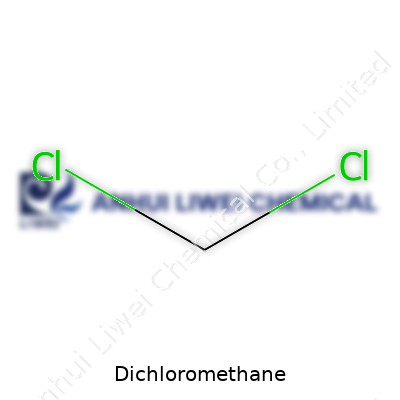
| Names | |
| Preferred IUPAC name | dichloromethane |
| Other names |
Methylene chloride
Methylene dichloride DCM R-30 |
| Pronunciation | /daɪˌklɔː.roʊˈmɛθ.eɪn/ |
| Identifiers | |
| CAS Number | 75-09-2 |
| 3D model (JSmol) | ClCCl |
| Beilstein Reference | 1730800 |
| ChEBI | CHEBI:15767 |
| ChEMBL | CHEMBL45961 |
| ChemSpider | 6344 |
| DrugBank | DB04581 |
| EC Number | 200-838-9 |
| Gmelin Reference | 1629 |
| KEGG | C02232 |
| MeSH | Methylene Chloride |
| PubChem CID | 6344 |
| RTECS number | PA8050000 |
| UNII | H5889B6G7X |
| UN number | 1593 |
| Properties | |
| Chemical formula | CH2Cl2 |
| Molar mass | 84.93 g/mol |
| Appearance | Colorless volatile liquid with a sweet, pleasant odor. |
| Odor | Sweet, pleasant odor |
| Density | 1.33 g/cm³ |
| Solubility in water | 1.32 g/100 mL at 25 °C |
| log P | 1.25 |
| Vapor pressure | 47.4 kPa at 20°C |
| Acidity (pKa) | 41 |
| Basicity (pKb) | 22.0 |
| Magnetic susceptibility (χ) | -46.6 × 10^-6 cm^3/mol |
| Refractive index (nD) | 1.4242 |
| Viscosity | 0.43 cP |
| Dipole moment | 1.60 D |
| Thermochemistry | |
| Std molar entropy (S⦵298) | 178.7 J/(mol·K) |
| Std enthalpy of formation (ΔfH⦵298) | -124.0 kJ/mol |
| Std enthalpy of combustion (ΔcH⦵298) | -453.9 kJ/mol |
| Pharmacology | |
| ATC code | S02DA04 |
| Hazards | |
| Main hazards | May cause cancer. Harmful if swallowed. Causes skin irritation. Causes serious eye irritation. May cause drowsiness or dizziness. Suspected of damaging fertility or the unborn child. |
| GHS labelling | GHS07, GHS08; Danger; H302+H332, H315, H319, H336, H351, H372; P201, P202, P260, P264, P270, P271, P280, P301+P312, P302+P352, P304+P340, P305+P351+P338, P308+P311, P332+P313, P337+P313, P362, P403+P233, P405, P501 |
| Pictograms | GHS07 GHS08 |
| Signal word | Danger |
| Hazard statements | H315; H319; H336; H351; H372 |
| Precautionary statements | P201, P202, P260, P261, P264, P270, P271, P280, P281, P301+P310, P302+P352, P304+P340, P305+P351+P338, P308+P313, P311, P312, P321, P330, P332+P313, P337+P313, P362, P363, P391, P403+P233, P405, P501 |
| NFPA 704 (fire diamond) | 2-1-0 |
| Autoignition temperature | 605 °C |
| Explosive limits | 13% - 23% |
| Lethal dose or concentration | LD50 oral rat: 1600 mg/kg; LC50 inhalation rat: 88000 mg/m3 (4h) |
| LD50 (median dose) | 1600 mg/kg (oral, rat) |
| NIOSH | Ca TWA 100 ppm (350 mg/m3) ST 500 ppm (1740 mg/m3) |
| PEL (Permissible) | 25 ppm TWA (8-hour), 125 ppm STEL |
| REL (Recommended) | TWA 100 ppm (350 mg/m³), STEL 250 ppm (870 mg/m³) |
| IDLH (Immediate danger) | 2300 ppm |
| Related compounds | |
| Related compounds |
Bromochloromethane
Chloroform Carbon tetrachloride Dibromomethane Chloromethane Tetrachloroethylene Trichloroethylene 1,2-Dichloroethane 1,1-Dichloroethane Methylene bromide |


