1,2-Octanediol: Past, Present, and Future
Historical Development
Back in the middle of the twentieth century, chemical engineers searched for ways to create versatile diols that could meet a growing list of industrial and consumer needs. 1,2-Octanediol caught early interest because researchers saw potential in its structure—a straight, eight-carbon chain with two hydroxyl groups sitting next to each other at positions one and two. Laboratories in Europe and Asia led many of the first advances in synthesizing and testing the compound, tracing its roots to broader research on fatty alcohols and their oxidation products. As markets demanded gentler surfactants, more robust antimicrobial ingredients, and specialty building blocks for new materials, the chemical found itself in the spotlight.
Product Overview
1,2-Octanediol shows up in the raw chemical catalogs as a purified, slightly viscous liquid that attracts attention mostly in cosmetic and pharmaceutical circles nowadays. Classed as both an alcohol and a diol, it delivers more than just moisturizing claims—it brings performance in antimicrobial blends, acts as a solvent for active ingredients, and works as an emollient in care products. Even with a chemical backbone that looks simple, it packs versatility. This ingredient enters various supply chains as both bulk drums for industry and small bottles for laboratories, always with a focus on purity and handling assurance.
Physical & Chemical Properties
Look at a sample in the lab—it usually appears as a clear, colorless to pale yellow liquid with a mild, almost inoffensive scent. Chemically, it weighs in at about 146 grams per mole, and thanks to its moderate eight-carbon chain, it resists easy evaporation. The hydroxyl groups at both ends lend a modest solubility in water and more generous acceptance by organic solvents like ethanol. Handling this liquid, I’ve noticed it clings a bit to glassware and needs a thorough rinse with solvent. Its melting point sits close to room temperature, making it pourable under most lab conditions; a boiling point near 260°C, with low vapor pressure, offers stability during heating steps.
Technical Specifications & Labeling
Every bottle or drum comes stamped with a minimum purity—usually 98% or above according to GLC or HPLC analysis—along with a batch number, lot date, and storage instructions. Accurate technical sheets detail residual solvents, water content (measured by Karl Fischer titration), and trace by-products left over from synthesis. Labels usually display various compliance marks, including REACH registration codes for use in the European Union, along with GHS hazard phrases. If it lands in cosmetic products, additional documentation tracks allergen status and microbial testing. Exact numbers for density, viscosity, and refractive index show up in data sheets, supporting those who design formulations or check for consistency across shipments.
Preparation Method
Traditional synthesis starts from the selective hydrogenation of octene oxides or by hydroformylation of heptene, followed by reduction and purification steps. The process involves careful temperature control, as overheating throws off yields or results in unpleasant by-products. Catalysts like nickel or palladium on carbon typically enter the scene for reduction, followed by fractional distillation under reduced pressure. Some companies employ bio-transformative approaches, using engineered microorganisms to produce the diol from renewable substrates, cutting down on fossil fuel reliance. Laboratories preparing it on a small scale tend to stick with hydroboration-oxidation of 1-octene, which gives a good balance of safety and yield.
Chemical Reactions & Modifications
Chemists love the two hydroxyl functions, which beg for derivatization. Esterification with fatty acids builds emulsifiers and co-surfactants, often used in lotions and creams. Reacting both ends in the presence of acid or base generates cyclic ethers, which sometimes find specialty use as solvents. Chlorination, dehydration, or etherification steps rewrite the backbone for polymer industries or further specialty chemicals. It undergoes oxidation with difficulty, thanks to the stability of the primary alcohol groups—requiring harsh conditions for complete conversion. Many modifications pivot on building amphiphilic molecules, broadening the scope of how chemists use this building block.
Synonyms & Product Names
Walk through chemical catalogs, and the same substance goes by “1,2-Dihydroxyoctane,” “Caprylyl Glycol,” or “Octane-1,2-diol.” In the world of cosmetics, “Caprylyl Glycol” pops up on ingredient lists, making it more familiar to skincare professionals and consumers. Trade names sometimes differ across continents, but the INCI name—Caprylyl Glycol—holds weight for regulatory and marketing purposes. CAS number 1117-86-8 offers a unique identifier in scientific literature and supply chain transactions, helping avoid confusion with other diols of similar makeup.
Safety & Operational Standards
Safety officers watch for eye and skin irritation, but most regulatory toxicologists find low acute toxicity at the doses used in part of finished consumer goods. In the factory, spills require cleanup with absorbents and disposal through standard organic waste procedures. Facility audits check that storage meets flammable liquid guidelines, avoiding sources of ignition and making sure containers have tight seals. In the lab, I always wear gloves and goggles when handling it neat. MSDS documentation—now called SDS—covers every shipment, offering advice on first-aid, firefighting, and environmental control for accidental releases. Monitoring for chronic exposure among staff stays minimal, as most data point to it being benign in conventional uses.
Application Area
Its main claim to fame comes through skincare, haircare, and personal hygiene products, thanks to strong antimicrobial effects at low concentrations that beat many classic preservatives. It stops common bacteria and fungi without resorting to harsher synthetic agents, appealing loudly to brands looking for “gentle” and “green” labels. Producers also use it in polymer synthesis as a chain stopper or plasticizer, keeping material scientists interested. In pharmaceuticals, formulators appreciate its ability to enhance penetration for active drugs and help solubilize poorly soluble ingredients. Veterinary and agricultural products sometimes rely on it to keep microbes at bay in challenging environments. Each sector finds its own angle, but cosmetics and personal care set the pace for demand.
Research & Development
Researchers dig into its mechanism as an antimicrobial, mapping how it disrupts cell membranes and interferes with biofilm formation. Studies explore how blending it with other diols or chelators creates “booster” blends, lowering required total preservative content. Academic chemists dissect new synthesis pathways to cut down on waste, toxic by-products, and process costs. Industry partnerships with universities grow more common, focusing on fermentation-based production and “upcycling” of waste oils for greener supply chains. Patents continue to emerge for specialized uses in medical gels, wound care products, and oral care aids, suggesting untapped performance in therapeutic formulas.
Toxicity Research
Toxicologists run standard batteries of tests—acute and sub-chronic oral, dermal, and inhalation studies—confirming an impressively benign profile. Mouse and rat studies record high LD50 values, signaling low risk in home and workplace settings. Skin sensitization trials rarely show allergic reactions, with most events tracing to impurities, not the diol itself. Eye irritation calls for caution, much like other alcohols, but final formulations in skin products tend to use it well below irritating thresholds. Environmental studies rate its breakdown as moderate—the linear alkyl chain resists quick degradation, so discharge into water systems remains under discussion by regulators such as the EU’s ECHA and the US EPA, especially as volumes grow.
Future Prospects
Market directions point towards continued growth, unlocked by the quest for safer, more natural preservatives in personal care and consumer health products. Plenty of startups and established firms pour resources into biotechnological production, using yeast or bacteria to pump out diols efficiently from plant-based feedstocks. As circular economy models draw more attention, sourcing renewable inputs for diol production gains favor. Teams explore its possible roles in smart packaging and tissue engineering materials. Toxicologists and regulators widen their focus from immediate toxicity to long-term, low-dose impacts and environmental persistence, keeping industry honest about claims. Pushing for greater transparency and full lifecycle assessments, researchers team up with industry watchdogs to see that these “gentle giants” of the ingredients world not only perform for people but minimize long-term harm to the environment.
What Makes 1,2-Octanediol Stand Out?
The world doesn’t always see what lives underneath the label on skincare and cleaning bottles. Yet 1,2-octanediol—an eight-carbon diol—quietly changes how products work and last. I’ve come across it in ingredient lists while choosing cleansers and found out it does much more than sound scientific. Chemists favor this compound for its gentle touch, but also for the punch it packs behind the scenes.
Pushing Beyond Moisturizing
Plenty of moisturizers claim to hydrate, but what’s interesting about 1,2-octanediol is its dual ability to soften skin and keep it safe. Known for drawing water into the top layer of the skin, it helps block the dryness caused by daily washing. This isn’t just about softness, but protection. It’s been shown that adding this ingredient to creams and lotions lessens the chances of irritation, which matters to anyone with sensitive or reactive skin.
I appreciate products that pull double duty, especially as more people get picky about what they put on their skin. 1,2-octanediol fills that space between soothing and stabilizing, keeping creams fresh longer without leaning on harsher preservatives. Scientific research shows it supports shelf life, fending off germs like bacteria and fungi. That means safer formulas and less waste from spoiled products.
Tough on Germs, Gentle in Formulas
Protecting products from spoilage is a constant headache for formulators. Nobody wants to see mold growing in a balm two weeks after opening. The clean, almost unnoticeable scent and low irritation factor make 1,2-octanediol attractive to personal care brands trying to trim down on allergens and artificial additives. Big global manufacturers and indie labs reach for it to help meet hygiene standards without making textures sticky or oily.
Out in the real world, not many recognize that this kind of ingredient helps make daily sunscreen, baby shampoo, and even makeup safer and milder. Far from being a marketing buzzword or a trend, it answers calls from dermatologists and consumer groups for better transparency and more trustworthy formulas.
Changing the Conversation Around Preservatives
A lot of negative press surrounds synthetic preservatives. People read labels, Google every compound, and often end up confused or alarmed. Here’s where 1,2-octanediol fits in: it gives companies a way to cut down on the most problematic ingredients—like parabens or formaldehyde releasers—while still keeping products safe. For me, finding fewer synthetic ingredients listed on my face cream reassures me I’m not tossing on something risky for the sake of a longer sell-by date.
Safety isn’t just about what’s left out, but what’s used as an alternative. Studies from Europe and Asia show that when formulas contain 1,2-octanediol, fewer people report sensitivity reactions. That matters for children, for people dealing with eczema, or for those just trying to avoid chemical overload.
Room for Smarter Choices
Demand for simple, trustworthy ingredients keeps growing. Shoppers want fewer fillers and more action from every drop. Adding 1,2-octanediol fits a push toward smarter, targeted accounts of what really goes into personal care. As regulations sharpen and more people look for gentle but effective preservatives, this compound could lead the way. Solutions for better safety and product performance benefit anyone who opens their bathroom cabinet or purse. In my view, it’s about finding balance—a science-driven answer that quietly boosts trust in the products we use daily.
Breaking Down the Ingredient
1,2-Octanediol shows up in more and more skincare labels these days. Formulators like it for its ability to hydrate and act as a preservative booster. Usually, people with oily skin or acne-prone types look for ingredients that tackle both moisture and bacteria. This one fits that bill because chemists designed it to hold water in the skin while keeping unwanted microbes in check. Some even call it “caprylyl glycol” on ingredient lists, so it hides in plain sight.
Looking at the Research
Dermatologists and researchers have spent years testing different cosmetic ingredients for their effects. 1,2-Octanediol scores well for safety. The Cosmetic Ingredient Review, a panel of independent scientists, published its assessment with no major red flags at typical concentrations. Most skincare products include it at or below 1%. Lab data and safety summaries in the European Union say the same. My time working with ingredient data taught me that regulators usually move quickly to flag ingredients that show patterns of irritation or allergic reactions, especially in popular categories like cleansers and serums. For this one, those warnings never appeared from any major agency.
Allergic Reactions and Sensitivity
People with sensitive skin always approach new ingredients with extra caution. Everyone’s skin tells a different story, so patch testing matters. Reports of allergy or irritation with 1,2-octanediol crop up rarely in dermatology journals. Compared to preservatives like methylisothiazolinone or parabens, most users tolerate this ingredient without issues. That said, someone with eczema or a history of allergies might notice redness if a formula includes too many active or astringent components, not just this one.
Function in Skincare Products
In my own experience as a consumer and someone who reads a lot of ingredient decks, 1,2-Octanediol keeps popping up in “clean” and “sensitive” formulas. Smaller brands use it because big traditional preservatives receive a lot of bad press and questions from customers. Not only does 1,2-Octanediol help stop mold and bacteria from growing in bottles, it adds a bit of slip and moisture. Many cleansers, lotions, sprays, and even baby care products use it to stay fresh longer.
Industry Oversight and Consumer Choice
Ingredient safety isn’t just about what lab tests say. It comes down to how companies use a substance—how much and what other ingredients go in the same bottle. Regulators in Europe, the US, and Asia look at toxicity, irritation, and long-term effects. So far, no credible reports link 1,2-Octanediol to health problems in cosmetic uses. In over-the-counter skincare, most customers will never notice it aside from smoother, well-preserved formulas. Someone worried about reactions can always patch test or speak to a dermatologist before regular use.
Better Information, Less Guesswork
People ask questions about ingredient safety after reading headlines or influencer posts, which don’t always match up with scientific scrutiny. Reliable evidence on 1,2-octanediol points to a safe profile, especially at the amounts companies put in skincare. Concerns about chemicals in personal care mean more shoppers double check labels, rely on expert review, and push brands to raise their testing standards. Industry transparency and strict regulations work better for everyone, including those with sensitive skin or allergies. With up-to-date information and a cautious, educated approach to trying new products, users can usually avoid surprises.
Navigating the Shelf: Why Ingredients Like 1,2-Octanediol Matter
Anyone who pays even a little attention to skincare has noticed that ingredient labels have grown longer and more complex. Among all those names sits 1,2-Octanediol, popping up in moisturizers, cleansers, and makeup. Some might not recognize the purpose behind this ingredient, but it has carved out a spot in modern formulations for a few reasons worth knowing.
What Gives 1,2-Octanediol Its Edge?
1,2-Octanediol packs more than a single function. The biggest draw is its role as a humectant, which means it pulls moisture from the air into the skin. Dry climates, hot showers, even heavy makeup routines can leave your skin gasping for hydration. I’ve seen firsthand how products with a bit of 1,2-Octanediol in the mix often leave skin feeling softer, less tight, and less flaky. Instead of sitting on the surface, it actually helps skin stay hydrated for longer stretches than cheaper, basic formulas.
Large beauty companies have done their homework and found it delivers antimicrobial power at tiny concentrations—something every jar and tube needs if you want to stop bacteria, yeast, and fungi from moving in. A 2022 study published in the International Journal of Cosmetic Science highlighted its effectiveness against a wide range of microbes. That's no small feat if you care about keeping your skincare routine safe, especially if you use products that don’t contain traditional preservatives like parabens.
The Push for Gentler, More Effective Preservatives
Over the past ten years, consumer demand for preservative-free or paraben-free cosmetics has exploded. I remember the buzz when early natural brands started advertising “no chemicals”—and then faced huge hurdles with product spoilage. 1,2-Octanediol answered that call. At low levels, it helps prevent molds and bacteria, and it doesn’t draw the same allergy or irritation complaints that older preservative systems can. Dermatologists lean toward recommending products with this ingredient if their patients struggle with breakouts caused by harsher chemicals. This benefit has opened doors for so-called “clean beauty” products that stay shelf-stable without compromising on safety.
Consumer Reports and the FDA both stress that cosmetics need reliable preservation. Awful breakouts, styes, or even eye infections often trace back to contaminated cosmetics. Switching to a gentle, modern preservative like 1,2-Octanediol can cut down on these risks while respecting sensitive skin. The personal care industry wouldn’t keep using it if it didn’t perform.
Sensitive Skin and Versatility
People with reactive skin know the pain of trial and error. A single harsh preservative can leave the face red and sore. I've watched friends bounce from one brand to the next, looking for that elusive formula which soothes instead of irritates. 1,2-Octanediol shows up in these “sensitive skin” products regularly because it helps with moisture and stands up against germs, all while maintaining a low profile for irritations. More brands have picked up on this, tweaking formulas for kids, adults with eczema, and those with allergies.
Looking Toward the Future
Consumers have grown smarter about labels, and ingredient scrutiny keeps brands honest. As research builds, 1,2-Octanediol’s track record keeps getting stronger in product safety and performance arenas. Cosmetic chemists have told me that this ingredient lets them whip up formulas that feel good, last longer, and stand up under everyday use—even with less reliance on outdated, harsher options. If every cosmetic bag had products made with this new generation of ingredients, fewer people would face irritations, and more could use the makeup or skincare they love.
Understanding 1,2-Octanediol and Microbes
Personal care shelves tell a story. Products that promise fewer preservatives or fragrance-free labels mark a shift in what users want. Some ingredients step into the gap, trying to replace older, sometimes worrisome chemicals. 1,2-Octanediol finds itself often added to formulas as a skin-conditioning agent, but talk of antimicrobial properties keeps popping up in research and industry meetings. People want answers about what keeps products safe—and skin healthy.
What Science Says About 1,2-Octanediol
Researchers at cosmetic companies and universities have spent the past decade poking at this ingredient’s potential. Several published studies have demonstrated that 1,2-Octanediol can limit growth of certain household bacteria and fungi, including Staphylococcus aureus and Escherichia coli. Its action seems to involve disrupting the outer membrane of microbes. When the fatty membrane weakens, cells lose water and nutrients, which spells the end for most bacteria.
One reason 1,2-Octanediol draws interest: increasing bans and negative press surrounding traditional preservatives such as parabens and formaldehyde donors. Companies that pivot away from old-school preservative families still have to produce products that won’t spoil before they leave a warehouse. In this context, the strength of 1,2-Octanediol as a secondary antimicrobial system starts to look critical.
The Limits and Real-World Impact
Based on my experience working with cosmetic chemists, 1,2-Octanediol rarely acts alone. Manufacturers use it in tandem with other mild antimicrobials, playing a supportive role rather than leading the charge. Testing shows it offers a broad but not universal shield—its punch against yeast or molds remains weaker than some synthetic preservatives on the market.
A trade-off emerges. Use of 1,2-Octanediol brings a gentler profile for sensitive users. But a product leaning entirely on this molecule may fall short during microbial challenge testing, which regulators demand for anything with water in it. Most brands layer ingredients for best effect: think a little phenoxyethanol, with several multifunctional agents, and 1,2-Octanediol bringing extra protection without drastically affecting texture.
Why This Matters
Shoppers are picking up bottles with buzzwords like “clean,” but they pay the price literally and figuratively if recall notices pop up due to microbial contamination. Fungal growth in a baby lotion leaves more than a financial impact—it shakes trust. A solution is to keep transparent labeling and clearer public communication about what keeps a cream safe, while continuing to invest in studies that compare newer ingredients side-by-side.
Laboratory evidence gives 1,2-Octanediol some credibility as an antimicrobial. Still, the laboratory is not your bathroom shelf. Realistic usage tests that mimic hot and humid household environments matter just as much as test tubes and agar plates. Brands need to keep running stability and challenge tests even after launch, since formulas change, suppliers shift, and new microbes emerge.
Pursuing Safer, Effective Products
It takes a team, not a single hero ingredient, to control spoilage and safeguard users. Smart use of 1,2-Octanediol supports this effort—its inclusion might lower the need for harsher chemicals and add resilience. Growth in personal care innovation demands flexibility and consistent science. Better transparency and research give everyone confidence that the next moisturizer is both gentle and safe for daily life.
Understanding Its Place in Daily Products
Most people reading ingredient labels don’t expect to run into something like 1,2-octanediol, but this ingredient shows up in plenty of shampoos, lotions, and cosmetics. Its role is simple—stop the growth of microbes, help product texture, and keep preservatives working smoothly. This chemical started out as just another material for manufacturers, but lately, it’s been the topic of some questions about safety and side effects.
Typical User Experience and Safety Data
Researchers have taken a close look at whether 1,2-octanediol poses risks for healthy adults. Dermatology studies point to a low rate of irritation. People with normal skin rarely complain about redness, swelling, or burning after using a cream or cleanser with this ingredient. The industry standard patch testing, a method where products stay on the skin for two full days, backs up this report—reactions almost never happen.
A handful of cases involve moderate redness or mild itching, mostly with people who already struggle with skin sensitivity or eczema. My personal read, spending years with family members prone to irritation and allergies, lines up with these findings. If a skin barrier already acts a bit fragile, new chemicals—no matter how "mild" the claims—can push things out of balance. Nothing in daily use seems to show widespread harm, but individual stories matter, too.
Looking Closer at Allergic Responses
Allergy reports linked to 1,2-octanediol seem rare. A review in the journal Contact Dermatitis only picked up a handful of probable cases out of tens of thousands of patient records. These reactions don’t play out at the same rates as nickel or classic fragrance allergies, which show up all the time. Still, it’s not impossible—the immune system can surprise both user and doctor, especially if a person uses several new products in the same week. Dermatologists say that rinsing off a product quickly and skipping the brand in future purchases solves the problem for most folks.
Eye Contact, Inhalation, and Everyday Risks
Eyes react differently than skin. Reports show that if 1,2-octanediol splashes into the eye, it causes temporary stinging or discomfort. These cases rarely last more than a few hours with rinsing. Inhalation risks don’t line up as clearly, since this ingredient comes in liquids, not powders or aerosols for home use. Handling massive quantities in factories means wearing protective gear, which applies to almost every ingredient in the supply chain.
Weighing the Importance of Transparency
Most real harm shows up not from the ingredient, but from poor labeling. People can’t avoid a trigger if companies hide it behind generic terms or compound blends. Personal experience with family allergies reminds me to search for plain, accurate lists on any product. Open communication between researchers, companies, and consumers keeps trust alive.
Potential Steps for Safety
Dermatologists suggest simple solutions: patch test unfamiliar products at home, seek advice if a rash appears, ask pharmacists or doctors about ingredient safety, and ask for alternatives if something seems off. People with histories of sensitive or atopic skin don’t have to accept discomfort as a normal part of daily routine. Enough evidence exists to suggest most folks won’t see major issues with 1,2-octanediol, but staying informed and listening to one’s own skin remains key.
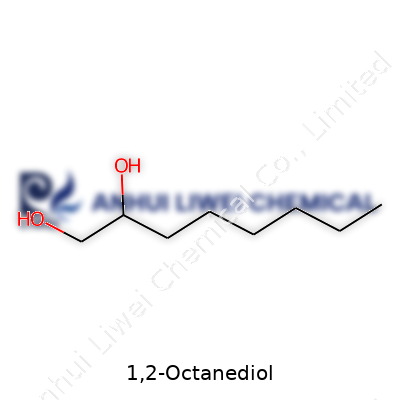
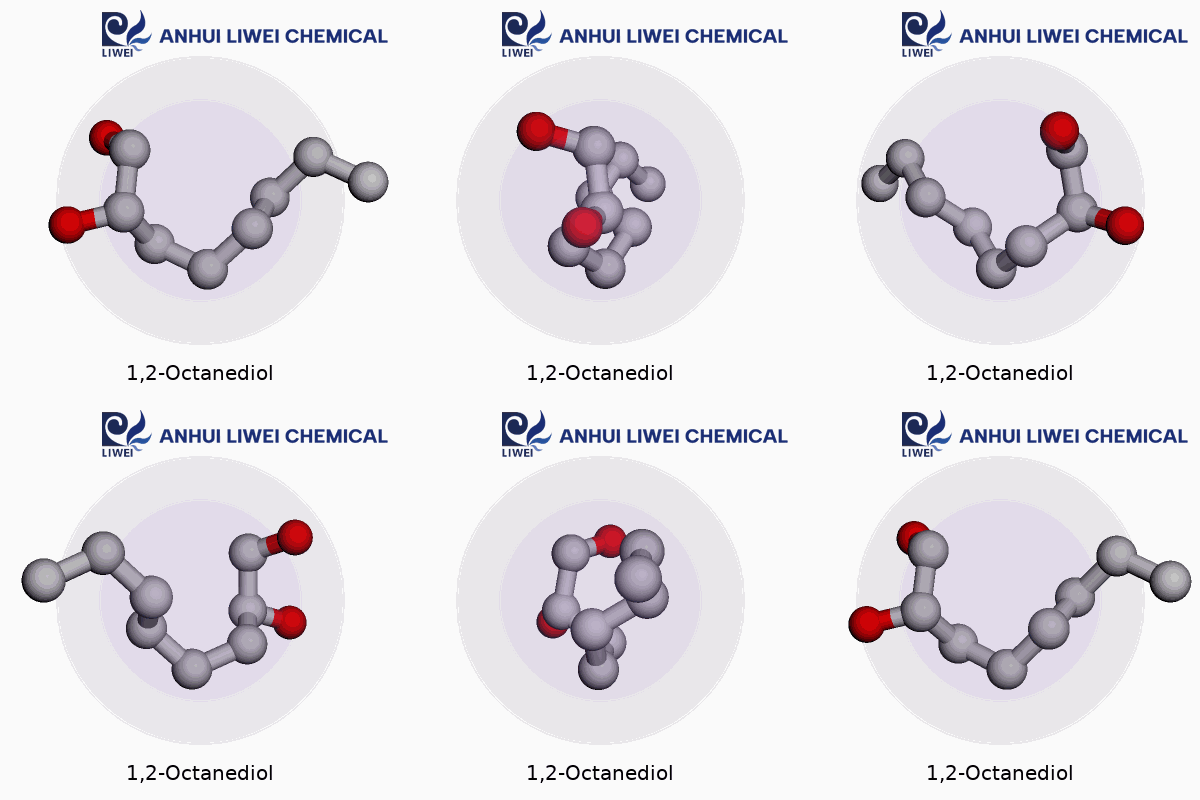
| Names | |
| Preferred IUPAC name | octane-1,2-diol |
| Other names |
Caprylyl Glycol
Octane-1,2-diol 1,2-Dihydroxyoctane 1,2-Octylene glycol n-Octyl-1,2-diol |
| Pronunciation | /ˌwʌn.tuː.ˌɒk.teɪnˈdaɪ.ɒl/ |
| Identifiers | |
| CAS Number | 1117-86-8 |
| 3D model (JSmol) | OCC(O)CCCCCC |
| Beilstein Reference | 1720256 |
| ChEBI | CHEBI:134236 |
| ChEMBL | CHEMBL3188229 |
| ChemSpider | 13625 |
| DrugBank | DB14188 |
| EC Number | 214-254-7 |
| KEGG | C14218 |
| MeSH | Octanediols |
| PubChem CID | 8193 |
| RTECS number | RG2200000 |
| UNII | 00YIU5438U |
| Properties | |
| Chemical formula | C8H18O2 |
| Molar mass | 146.23 |
| Appearance | White crystalline solid |
| Odor | slightly fatty |
| Density | 0.914 g/cm³ |
| Solubility in water | 1.4 g/L |
| log P | 2.2 |
| Vapor pressure | 0.0004 mmHg |
| Acidity (pKa) | 14.7 |
| Basicity (pKb) | 16.4 |
| Magnetic susceptibility (χ) | -1.0996×10^-4 cm^3/mol |
| Refractive index (nD) | 1.452 |
| Dipole moment | 2.4 D |
| Thermochemistry | |
| Std molar entropy (S⦵298) | 306.6 J·mol⁻¹·K⁻¹ |
| Std enthalpy of formation (ΔfH⦵298) | -647.3 kJ/mol |
| Std enthalpy of combustion (ΔcH⦵298) | -5108.8 kJ/mol |
| Pharmacology | |
| ATC code | D08AX09 |
| Hazards | |
| Main hazards | Causes skin irritation, causes serious eye irritation, may cause respiratory irritation. |
| GHS labelling | Signal word: Warning Hazard statements: H315, H319 Precautionary statements: P264, P280, P302+P352, P305+P351+P338, P332+P313, P337+P313, P362 Pictograms: GHS07 |
| Pictograms | GHS07 |
| Signal word | Warning |
| Hazard statements | H315 Causes skin irritation; H319 Causes serious eye irritation; H335 May cause respiratory irritation |
| Precautionary statements | P261 P264 P271 P280 P302+P352 P304+P340 P305+P351+P338 P312 P332+P313 P337+P313 P362+P364 P403+P233 P405 P501 |
| NFPA 704 (fire diamond) | 1-1-0 |
| Flash point | 113°C |
| Autoignition temperature | 245 °C |
| Lethal dose or concentration | LD50: >2000 mg/kg (oral, rat) |
| LD50 (median dose) | 5000 mg/kg |
| NIOSH | No NIOSH exposure limit established. |
| IDLH (Immediate danger) | Not established |
| Related compounds | |
| Related compounds |
1,2-Butanediol
1,2-Pentanediol 1,2-Hexanediol 1,2-Heptanediol 1,2-Nonanediol 1,2-Decanediol 1,2-Undecanediol 1,2-Dodecanediol 1,8-Octanediol |


